admin
adminDo you find yourself amazed by the precision behind towering skyscrapers, intricate bridges, or expansive urban developments? The answer lies not only in human ingenuity but also in the cutting-edge tools engineers rely on today. Advanced engineering technologies are transforming global infrastructure, delivering unmatched accuracy, speed, and sustainability. From AI-driven design software to state-of-the-art robotics, these innovations are tackling long-standing challenges and shaping the future of construction and engineering.
The demands for smarter, more sustainable, and resilient infrastructure have never been greater. Whether addressing population growth, climate challenges, or aging infrastructure, these tools empower engineers to build for today and plan for tomorrow. Let’s explore how these innovations are reshaping the world, one project at a time.
The Tools Driving Change in Engineering
Engineering has always evolved alongside technology, but today’s tools are transforming the industry like never before. These advanced systems integrate artificial intelligence, robotics, IoT, and more to create efficient, precise, and sustainable solutions. Let’s examine the key innovations shaping this transformation.
1. Revolutionizing Construction Through Smart Equipment
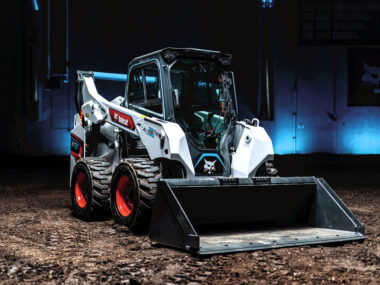
Smart construction equipment is a game-changer. Unlike traditional machinery, smart equipment integrates IoT and sensors to communicate with operators in real time. This technology allows for improved decision-making and optimized performance.
- Automated Machinery: Bulldozers, excavators, and loaders equipped with GPS and AI can perform tasks with pinpoint accuracy, reducing errors and waste.
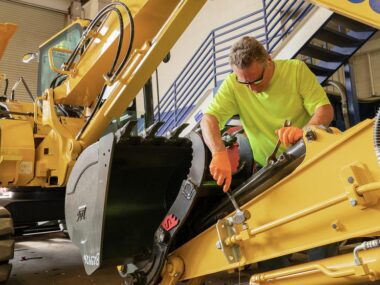
- Self-Monitoring Systems: Machines now detect maintenance needs before failures occur, minimizing downtime and costs.
- Enhanced Safety: Smart equipment reduces risks by performing dangerous tasks autonomously, ensuring a safer work environment.
For example, automated excavators in urban construction can precisely dig within confined spaces, reducing project timelines while maintaining safety standards.
2. Digital Twin Technology: Building the Future Twice
Digital twin technology allows engineers to create a virtual replica of a physical structure. This replica simulates real-world conditions, enabling engineers to test, predict, and optimize designs before construction begins.
- Applications:
- Stress testing bridges for seismic activity.
- Analyzing energy efficiency in buildings.
- Simulating traffic flow in new urban developments.
By identifying potential challenges early, digital twins save time, reduce costs, and enhance safety. For instance, testing a bridge design against extreme weather conditions ensures resilience without the need for costly post-construction fixes.
3. AI and Machine Learning: Redefining Design and Efficiency
Artificial intelligence (AI) is revolutionizing engineering design by analyzing vast datasets to produce optimized, cost-effective, and sustainable solutions.
- Smarter Materials: AI can recommend the best materials for a project based on factors like cost, durability, and environmental impact.
- Predictive Analysis: Machine learning algorithms identify potential weak points in designs, helping engineers address them proactively.
- Dynamic Adaptation: AI-driven tools adapt designs to changing project requirements in real time, ensuring flexibility and precision.
For example, AI-powered software can reduce a building’s carbon footprint by selecting materials that require less energy to produce while maintaining strength and durability.
4. Robotics: Efficiency Meets Precision
Robotics is transforming construction sites by handling labor-intensive tasks with unmatched precision. Robots equipped with sensors and AI perform repetitive or hazardous tasks, enabling faster project completion.
- Autonomous Bricklaying: Robotic systems can lay bricks five times faster than human workers while ensuring perfect alignment.
- Pipeline Inspection: Robotic crawlers inspect pipelines for cracks and corrosion, reducing downtime and ensuring safety.
- Demolition Robots: These machines perform deconstruction tasks in confined or dangerous environments, minimizing risks to human workers.
Robotics doesn’t replace human labor—it enhances it. By taking over mundane tasks, robots allow engineers to focus on creative and strategic work.
5. Sustainability at the Forefront
The push for sustainability is no longer optional—it’s essential. Next-level engineering tools are leading the charge toward greener practices in infrastructure development.
- 3D Printing: This technology reduces waste by using only the required materials, often recycled, to build structures.
- Energy-Efficient Tools: Advanced equipment monitors energy consumption, optimizing usage and reducing carbon footprints.
- Renewable Integration: Tools now integrate solar panels, wind turbines, and other renewable technologies into designs seamlessly.
For instance, 3D-printed housing projects in developing countries demonstrate how sustainable solutions can address housing shortages while minimizing environmental impact.
6. Real-Time Data: The Backbone of Modern Engineering
Real-time data is transforming how infrastructure is monitored and managed. Sensors embedded in structures provide continuous feedback, helping engineers make informed decisions.
- Bridge Monitoring: Sensors detect stress levels in bridges, preventing catastrophic failures.
- Construction Efficiency: Data from IoT devices on construction sites helps managers optimize workflows, reduce delays, and minimize costs.
- Long-Term Maintenance: Real-time insights enable predictive maintenance, extending the lifespan of infrastructure.
This shift from reactive to proactive management ensures safety, reliability, and cost savings over the long term.
The Human Element in Next-Level Engineering
While technology is driving innovation, the human touch remains crucial. Engineers, architects, and project managers collaborate using tools like cloud-based platforms to share designs, track progress, and address challenges in real time.
By combining expertise with advanced tools, teams achieve higher accuracy, efficiency, and creativity. For instance, collaborative platforms allow global teams to work together seamlessly, breaking geographical barriers and enabling innovation at scale.
Real-World Testimonials: Success Stories in Action
- Changi Airport, Singapore: By using digital twins, the airport reduced maintenance costs by 30% while ensuring seamless operations during expansions.
- The Sydney Harbour Bridge: Sensors embedded in the bridge detect stress levels and alert engineers, ensuring safety for millions of commuters annually.
- Mexico’s New Housing Projects: 3D-printed homes built using recycled materials provide affordable housing while reducing construction waste by 70%.
FAQs About Next-Level Engineering Tools
Q1: Are these tools expensive to implement?
While the initial investment can be high, the long-term savings from reduced labor, faster timelines, and lower maintenance costs make them cost-effective.
Q2: Can small firms use these tools?
Yes, many tools are scalable and accessible to small and medium-sized firms. Cloud-based solutions and pay-as-you-go models make them affordable.
Q3: Do these tools replace human workers?
No, they augment human capabilities, allowing workers to focus on strategic, creative, and supervisory roles.
The Future of Global Infrastructure
As the world faces rising demands for smarter, safer, and more sustainable infrastructure, next-level engineering tools will play a pivotal role. From AI-powered design to sensor-driven maintenance, these innovations ensure that the future of construction is efficient, resilient, and environmentally conscious.
By embracing these tools, engineers and developers can build cities that are not just functional but transformative. The future of global infrastructure is bright, and it’s powered by technology.
Build Smarter Today
The journey to revolutionizing infrastructure begins with adopting the right tools. Next-level engineering tools offer precision, efficiency, and sustainability, making them indispensable in modern construction and design.
Don’t get left behind. Embrace these innovations and take your projects to new heights. For a deeper dive into the transformative power of next-level engineering tools, explore our resource hub today. Your future in infrastructure starts now.

 admin
admin