admin
adminHave you ever wondered how the construction industry will keep up with increasing demand when there simply aren’t enough skilled workers available? As cities expand, infrastructure ages, and global development accelerates, the construction labor shortage is one of the industry’s most pressing challenges. The need for innovative solutions has never been greater, but how can construction businesses address this issue head-on while maintaining quality and productivity?
The construction labor shortage is not just a short-term hurdle—it’s a systemic issue that affects costs, timelines, and safety across the industry. However, by understanding the root causes of the shortage and implementing strategic solutions, construction companies can rise to the challenge. This article delves deep into the problem, offering insights, actionable strategies, and examples of how the industry can adapt and thrive.
The Construction Labor Shortage: A Deep Dive
The construction labor shortage is a global issue, with regions like the United States, Europe, and Asia all reporting significant gaps between workforce supply and demand. According to the U.S. Bureau of Labor Statistics, over 400,000 construction jobs remain unfilled, a figure expected to grow as older workers retire and fewer young people enter the trades.
Key Causes of the Shortage
- Aging Workforce: The Baby Boomer generation, which makes up a significant portion of skilled construction labor, is retiring. This creates a vacuum as younger workers are not entering the field at the same rate.
- Perception Problems: Many younger individuals perceive construction jobs as physically demanding, low-paying, and lacking career advancement opportunities.
- Technological Shifts: Modern construction increasingly relies on advanced tools, machinery, and software, but many workers lack the skills to operate these systems.
- Economic Pressures: Fluctuations in construction demand and economic downturns have historically discouraged long-term career investment in the trades.
- Limited Training Opportunities: A reduction in vocational education programs has left many potential workers without access to the necessary training.
Understanding these challenges is the first step toward finding solutions that address the labor shortage at its roots.
1. Training and Apprenticeships: Building the Workforce of Tomorrow
One of the most effective strategies to address the labor shortage is investing in training and apprenticeship programs. These initiatives equip workers with the skills needed for modern construction and provide clear pathways to career advancement.
The Power of Apprenticeships
- Hands-On Learning: Apprenticeships combine classroom instruction with on-the-job training, ensuring workers gain practical experience.
- Paid Training: Unlike traditional education, apprenticeships allow participants to earn while they learn, making the trades more financially accessible.
- Retention: Workers who enter the field through apprenticeships often feel more invested in their careers, leading to higher retention rates.
Example:
A leading construction firm partnered with local trade schools to create a two-year apprenticeship program focusing on green building techniques and advanced machinery. Within three years, the company reported a 25% reduction in worker turnover and increased project efficiency due to a more skilled workforce.
2. Leveraging Technology and Automation: Augmenting Human Labor
While technology won’t completely replace human workers, it can alleviate some of the strain caused by labor shortages. Automation and smart tools enable construction companies to accomplish more with fewer workers while enhancing safety and precision.
Technologies Transforming Construction
- Drones: Used for site surveys, progress monitoring, and safety inspections. Drones reduce the need for time-intensive, manual processes.
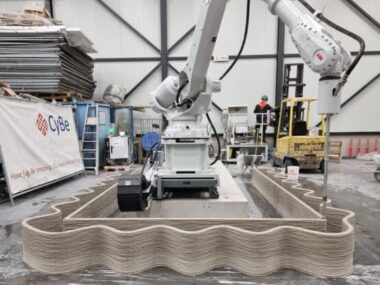
- Robotics: Robots can handle repetitive tasks like bricklaying, welding, and concrete pouring, increasing efficiency and reducing physical strain on human workers.
- 3D Printing: Large-scale 3D printers create building components faster and with less material waste than traditional methods.
- Project Management Software: Platforms like Procore and Autodesk Construction Cloud streamline workflows, helping existing teams manage projects more effectively.
Case Study:
A European construction firm implemented robotic bricklaying technology, cutting project timelines by 30% and freeing workers to focus on more complex tasks.
3. Recruiting and Retaining a Diverse Workforce
The construction industry has traditionally been male-dominated, but embracing diversity is a critical way to address the labor shortage. Women, minorities, and veterans are underrepresented groups that bring untapped potential to the industry.
Strategies for Inclusion
- Recruitment Campaigns: Highlight the benefits of construction careers and showcase diverse success stories to attract a broader pool of applicants.
- Supportive Policies: Offer mentorship programs, family leave policies, and safe, inclusive workplaces to retain diverse talent.
- Veteran Initiatives: Partner with veteran organizations to recruit individuals with transferable skills, such as discipline and leadership.
Real-World Impact:
A Canadian construction company doubled its female workforce by implementing targeted recruitment campaigns and creating on-site childcare facilities. These efforts not only addressed labor gaps but also improved team dynamics and innovation.
4. Retention Strategies: Keeping the Workforce You Have
Recruiting new talent is only half the battle—keeping skilled workers is equally important. High turnover rates not only increase hiring costs but also disrupt projects and reduce team cohesion.
Top Retention Strategies
- Competitive Compensation: Offer salaries and benefits that reflect the value of skilled labor.
- Career Development: Provide clear paths for advancement through ongoing training, certifications, and leadership opportunities.
- Workplace Culture: Create a positive environment that prioritizes safety, work-life balance, and mental health.
- Recognition Programs: Celebrate milestones, exceptional performance, and team achievements to foster loyalty.
Success Story:
A mid-sized construction firm reduced turnover by 20% after implementing an employee recognition program and offering quarterly professional development workshops.
5. Streamlining Recruitment Processes
In a competitive labor market, speed and efficiency in hiring can make all the difference. Companies that can quickly identify, vet, and onboard workers have a distinct advantage.
Modern Recruitment Tactics
- Digital Platforms: Use job boards, social media, and specialized construction recruitment platforms to reach candidates.
- AI Screening: Leverage artificial intelligence to streamline resume reviews and identify top candidates.
- Onboarding Technology: Use digital tools to simplify paperwork and training, ensuring new hires can hit the ground running.
Pro Tip:
Consider partnering with staffing agencies that specialize in construction to access pre-vetted candidates and reduce hiring timelines.
6. Government and Industry Collaboration
Policymakers and industry leaders must work together to address the labor shortage. Supportive policies can encourage workforce development and make construction careers more accessible.
Key Policy Recommendations
- Increased Funding for Vocational Education: Expand access to trade schools and technical programs.
- Tax Incentives: Reward companies that invest in training and apprenticeship programs.
- Immigration Reform: Facilitate the hiring of skilled workers from abroad to fill immediate gaps.
Example:
Germany’s dual education system, which integrates classroom learning with apprenticeships, has been instrumental in maintaining a steady pipeline of skilled construction workers.
FAQs: Tackling Common Questions About the Labor Shortage
Q: How long will the construction labor shortage last?
A: While the shortage won’t resolve overnight, sustained efforts in training, technology, and recruitment can significantly alleviate the issue over the next decade.
Q: Are wages increasing in response to the labor shortage?
A: Yes, many companies are offering higher wages and better benefits to attract and retain skilled workers.
Q: How can small construction firms compete for talent?
A: Focus on creating a supportive work environment, offering clear career paths, and leveraging local partnerships for recruitment and training.
A Collective Effort for a Sustainable Future
The construction labor shortage is a complex challenge, but it’s not insurmountable. By investing in training, embracing technology, fostering diversity, and creating positive work environments, the industry can build a resilient and skilled workforce. Collaboration between businesses, governments, and educational institutions will be key to addressing both immediate needs and long-term goals.
Now is the time for bold action. The steps taken today will shape the construction industry of tomorrow—ensuring that it remains capable of meeting the demands of a rapidly changing world. By addressing the labor shortage with innovative solutions, the industry can continue to build the infrastructure, homes, and cities of the future.

 admin
admin