admin
adminAre you fully aware of the legal and safety responsibilities you have to protect your engineering workforce? As an engineer, ensuring the safety of your team isn’t just about following rules—it’s about creating a culture that values their well-being. But how do you balance the legal requirements with your responsibility as a leader? And how do these safety standards actually protect your business in the long run?
Whether you’re managing a small team or a large organization, the legal and safety standards in the engineering field are critical. Protecting your workforce is not just a matter of compliance—it’s about maintaining trust, preventing costly accidents, and fostering a work environment that attracts top talent. Let’s dive into the crucial steps you need to take to safeguard both your employees and your business.
Why Workforce Protection is More Than Just Legal Compliance
When you think of legal safety standards, you might immediately picture accident reports or OSHA regulations. However, workforce protection goes beyond that. It’s about ensuring that every engineer on your team is equipped to perform their job safely and efficiently. Ignoring these standards can lead to devastating consequences, not just for your employees but for your business as a whole.
Adhering to legal safety standards is more than just checking boxes. It protects your company’s reputation and bottom line. Preventing injuries or avoiding costly legal repercussions is an investment you can’t afford to overlook. So, how can you take the necessary steps to ensure compliance while creating a safer, more productive environment?
Key Legal and Safety Standards Engineers Must Follow
There’s no one-size-fits-all answer when it comes to legal safety standards, as the requirements vary based on your location, the type of engineering you’re involved in, and the size of your team. However, several key principles universally apply to engineers and construction managers.
OSHA Regulations: The Cornerstone of Safety Compliance
The Occupational Safety and Health Administration (OSHA) sets the standard for workplace safety in the United States. OSHA regulations cover everything from equipment maintenance to personal protective equipment (PPE). Compliance with OSHA standards is not just about avoiding fines—it’s about actively protecting your team’s health and safety.
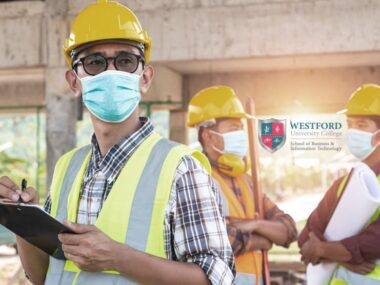
For example, engineers working with heavy machinery or in hazardous environments must undergo proper training to use equipment safely. They must also wear the necessary PPE, such as helmets, gloves, safety boots, and eye protection. Failure to adhere to these regulations can result in severe legal and financial consequences for your business.
International Standards: ISO 45001
If your company operates globally, you may need to comply with international safety standards like ISO 45001, which focuses on occupational health and safety management systems. Implementing ISO 45001 can streamline safety practices across multiple locations, ensuring consistency and reducing risks on a global scale.
Beyond Compliance: Building a Safer Engineering Workplace
Legal standards are the baseline, but creating a safe workplace goes beyond ticking regulatory boxes. By implementing comprehensive safety programs, investing in training, and fostering a culture of openness, you can elevate your team’s safety and performance.
Safety Training: Knowledge is Power
Safety training isn’t just a box to check. Engineers must have the knowledge and skills to prevent accidents before they happen. A well-structured safety training program is one of the most proactive steps you can take to reduce risks.
For instance, a civil engineering firm could use simulation-based training to teach employees how to respond to structural collapses. Similarly, an electrical engineering company might prioritize training on high-voltage equipment safety. These programs can significantly reduce workplace incidents and improve overall confidence in safety protocols.
Risk Assessments: Identifying Hazards Before They Escalate
Conducting regular risk assessments is critical to preventing accidents. Whether you’re on a construction site or in a lab, identifying potential hazards early allows you to implement controls to mitigate risks.
For example, in the oil and gas sector, engineers often work in high-pressure environments where small mistakes can have catastrophic consequences. A thorough risk assessment can identify weak points, such as equipment prone to failure, and provide actionable solutions like routine maintenance schedules.
Safety Audits: A Continuous Improvement Tool
Periodic safety audits ensure compliance and identify gaps in your safety protocols. These audits can uncover overlooked hazards, allowing you to take corrective action before an accident occurs. Regular audits also demonstrate to employees and stakeholders that safety is a continuous priority.
Mental Health and Workplace Safety: The Overlooked Connection
In today’s workplace, protecting your workforce means more than focusing on physical safety. Mental health has become a crucial component of workplace safety. Engineers often work under tight deadlines, deal with complex projects, and face significant pressure—all of which can lead to stress and burnout.
Promoting mental well-being is as vital as preventing physical injuries. By offering resources like counseling, stress management programs, and flexible schedules, you demonstrate a commitment to your team’s holistic health. Research shows that workplaces emphasizing mental health experience fewer accidents, as stressed or fatigued employees are more prone to mistakes.
Real-World Testimonials: The Impact of Safety Standards
Case Study: Preventing Disasters in Construction
A construction company in Texas implemented an intensive safety training program after a near-fatal accident involving scaffolding. By introducing monthly workshops, conducting surprise audits, and rewarding safe behaviors, the company reported a 50% reduction in accidents within a year.
Testimonial: Empowering Engineers with Safety Knowledge
Jessica, a mechanical engineer, shared her experience after completing a safety certification program: “Before the training, I was unaware of how small oversights could lead to significant risks. Now, I feel confident in identifying hazards and ensuring my team stays safe.”
Frequently Asked Questions (FAQs)
Q: What are the consequences of non-compliance with safety standards? A: Non-compliance can lead to hefty fines, legal battles, reputational damage, and, most importantly, risks to employee safety. For example, OSHA violations can result in penalties ranging from $15,000 to over $150,000 per violation.
Q: How often should safety training be conducted? A: At a minimum, safety training should occur annually. However, for high-risk industries, more frequent training—such as quarterly sessions—is recommended.
Q: Are mental health programs mandatory in the workplace? A: While not legally required in most jurisdictions, offering mental health resources significantly benefits employee well-being and productivity. Companies investing in mental health often see a return in reduced absenteeism and increased morale.
The Financial Benefits of Workforce Protection
Protecting your workforce doesn’t just save lives—it saves money. Studies show that companies prioritizing safety experience fewer disruptions, lower insurance premiums, and reduced legal costs. For instance, a manufacturing firm that implemented proactive safety measures saved over $500,000 annually by reducing workplace injuries and associated downtime.
Additionally, companies with robust safety programs attract top talent. Engineers are more likely to join and stay with organizations prioritizing their health and safety, giving you a competitive advantage in recruiting.
Building a Strong Safety Culture
A strong safety culture goes beyond compliance. It requires active participation from every level of the organization. From junior engineers to senior management, everyone should take ownership of safety.
Leadership’s Role in Safety
As a leader, you set the tone for safety in your organization. By prioritizing safety in meetings, investing in resources, and recognizing employees for safe practices, you create an environment where safety is second nature.
Encouraging Open Communication
Encourage employees to voice safety concerns without fear of retribution. Open communication fosters trust and ensures hazards are addressed promptly.
Protecting Your Workforce is an Investment in the Future
Adhering to legal safety standards and fostering a culture of safety protects your workforce and strengthens your business. By taking a proactive approach to workforce protection, you reduce risks, improve morale, and position your company as a leader in the industry. Remember, workforce safety isn’t just a requirement—it’s a commitment to your team’s well-being and your business’s success.

 admin
admin