 admin
adminHave you faced unexpected downtime on a construction site because of equipment failure? What if you could prevent costly repairs, boost productivity, and extend the life of your machinery with simple yet effective maintenance techniques? Maximizing your construction equipment’s lifespan with proven maintenance techniques isn’t just a good practice—it’s a game-changing strategy that saves you time, money, and stress while ensuring your projects stay on track.
Construction equipment is the backbone of any successful project. From bulldozers to excavators, these machines perform heavy-duty tasks daily, and their reliability is critical to meeting deadlines and staying within budget. Neglecting maintenance not only leads to breakdowns but also increases safety risks, reduces efficiency, and skyrockets operational costs. Let’s delve deeper into how you can transform your equipment’s performance with effective maintenance strategies and secure your business’s future success.
The Importance of Maintenance for Construction Equipment
Why Maintenance is Non-Negotiable
Every piece of construction equipment represents a significant investment. Just like any investment, proper care and attention are essential to ensure long-term returns. Skipping maintenance doesn’t just compromise your equipment—it affects your entire operation. Poorly maintained machines consume more fuel, operate inefficiently, and are prone to costly failures.
Regular maintenance ensures that your equipment operates at its best. It minimizes the risk of major breakdowns, extends the lifespan of critical components, and enhances overall performance. With proper care, you not only reduce downtime but also maximize profitability by keeping your projects on schedule.
Maintenance isn’t just about financial savings—it’s also about safety. Faulty equipment poses serious risks to workers, leading to potential accidents and legal liabilities. By prioritizing maintenance, you’re ensuring a safe work environment and protecting your workforce.
Preventative Maintenance: Your First Line of Defense
Proactive Care Saves Money
Preventative maintenance forms the cornerstone of a robust equipment care strategy. This proactive approach involves regularly inspecting and servicing machines to identify and address potential issues before they escalate. Think of it as routine healthcare for your equipment.
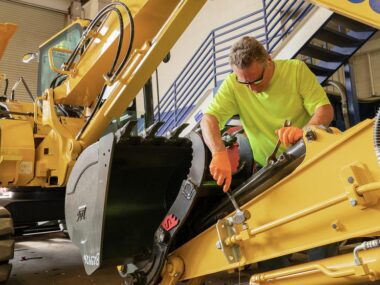
Simple tasks like changing oil, replacing filters, and inspecting belts can significantly reduce wear and tear. Scheduling these maintenance tasks helps prevent minor problems from turning into major failures, saving you both time and money.
Building a culture of care among operators and maintenance teams is equally important. Training them to recognize warning signs like unusual noises, fluid leaks, or sluggish performance ensures early detection of issues, allowing for timely repairs.
Lubrication: The Unsung Hero of Equipment Longevity
The Role of Proper Lubrication
Lubrication is one of the most effective ways to protect and extend the life of your construction equipment. By reducing friction between moving parts, proper lubrication prevents wear and tear while regulating temperature and combating corrosion.
Using the right type of oil or grease is crucial. Manufacturers provide specific guidelines for each machine, and adhering to these recommendations ensures optimal performance.
Regularly checking and replenishing lubricants is essential. Neglecting this task can lead to severe damage, causing efficiency to plummet and repair costs to skyrocket. Consistent lubrication isn’t just good practice—it’s a necessity.
Hydraulic Systems: The Lifeblood of Heavy Machinery
Maintaining Hydraulic Systems
Hydraulic systems power many construction machines, enabling them to lift, push, and move materials. Keeping these systems in good condition is vital for optimal performance.
Contaminated or degraded hydraulic fluid is one of the most common causes of system failure. Regularly inspecting and replacing hydraulic fluid prevents damage to seals, valves, and pumps. Additionally, checking hoses and fittings for leaks or wear helps maintain system integrity.
A well-maintained hydraulic system ensures smooth and efficient operation, protecting the machine’s functionality and reducing the risk of costly downtime.
Cleaning: The Foundation of Maintenance
Why Clean Machines Last Longer
Clean equipment isn’t just aesthetically pleasing—it’s more efficient and reliable. Dirt, grime, and debris can clog filters, damage sensitive components, and lead to overheating.
Regular cleaning removes buildup that compromises performance and extends the lifespan of critical parts. Pressure washing is an effective method for removing tough dirt, but care should be taken around sensitive components to avoid damage.
A clean machine is easier to inspect, allowing you to spot potential issues like cracks, leaks, or loose bolts. Cleanliness isn’t just about appearances—it’s a practical step in effective maintenance.
Wear Parts: Timely Replacement Matters
Monitoring and Replacing Wear Parts
Wear parts, such as bucket teeth, cutting edges, and tracks, endure the most stress in daily operations. Replacing these components promptly is essential to maintaining overall equipment performance.
Ignoring worn parts puts additional strain on the machine, accelerating wear on other components and increasing repair costs. Regularly inspecting these parts and replacing them as needed ensures smooth operation and prevents unnecessary damage.
Investing in high-quality replacement parts may seem expensive upfront, but it pays off in the long term. Durable parts perform better, reduce downtime, and minimize replacement frequency, delivering significant savings.
Technology: Smarter Maintenance Solutions
Embracing Advanced Tools
Modern construction equipment often features advanced technologies that make maintenance more effective. Telemetry systems, for instance, provide real-time data on machine performance, helping you monitor metrics like fuel efficiency, temperature, and operating hours.
These systems can detect potential issues before they escalate, enabling timely interventions. By analyzing usage patterns, they also help optimize maintenance schedules, ensuring resources are used efficiently.
Incorporating technology into your maintenance strategy enhances your ability to keep equipment running smoothly, reduce costs, and improve productivity.
The True Cost of Neglecting Maintenance
Why Skipping Maintenance is Expensive
Skipping regular maintenance may save time in the short term, but it often leads to higher costs down the road. Equipment that isn’t properly maintained is more likely to fail, resulting in expensive repairs, missed deadlines, and lost revenue.
Beyond financial implications, neglected maintenance can tarnish your reputation. Clients and stakeholders expect timely delivery, and equipment failures can jeopardize your credibility.
Investing in regular maintenance is a small price to pay for the long-term benefits. It protects your equipment, your projects, and your business’s reputation.
Real-World Testimonials: The Impact of Proper Maintenance
Success Stories
A construction company in Texas implemented a preventative maintenance program that included regular hydraulic checks and lubrication schedules. Within six months, the company reduced downtime by 30% and saved over $100,000 in repair costs.
Similarly, a contractor in Australia adopted advanced telemetry systems to monitor equipment performance. The data-driven insights allowed them to optimize their maintenance schedules, extending equipment lifespans by 20% and increasing project efficiency.
These success stories highlight the tangible benefits of prioritizing maintenance in construction operations.
FAQs: Your Maintenance Questions Answered
How often should I perform equipment maintenance?
Maintenance schedules vary by equipment type and usage intensity. Refer to manufacturer recommendations and adjust based on operating conditions.
Is investing in high-quality parts worth it?
Yes, high-quality parts last longer and reduce the risk of additional damage, saving you money in the long run.
Can advanced technology replace manual inspections?
Technology enhances maintenance efforts but doesn’t eliminate the need for manual inspections. Combining both approaches ensures comprehensive care.
Invest in Maintenance, Secure Your Future
Maximizing the lifespan of your construction equipment with proven maintenance techniques isn’t just a best practice—it’s a necessity. From preventative care and proper lubrication to leveraging advanced technology, every step you take strengthens your operation and protects your investment.
Don’t wait for breakdowns to disrupt your projects. Implement these maintenance strategies today and reap the rewards of improved performance, extended equipment life, and cost savings. With the right approach, your equipment will deliver unmatched reliability and efficiency for years to come.
For more expert tips and in-depth maintenance guides, explore our recommended resources here. Start building smarter, safer, and more successful projects today.

 admin
admin