admin
adminWhat does the future hold for the global construction industry? Could we be on the cusp of unprecedented growth, major technological shifts, and transformative changes in how we build the world around us? For industry professionals, these are pressing questions that demand immediate attention.
The global construction industry is set for significant transformation over the next decade. With urbanization on the rise, increasing demand for sustainability, and technological innovations disrupting traditional practices, construction businesses need to stay informed and agile. Whether you’re a small contractor or a major industry player, understanding these trends will be critical to navigating and thriving in the coming years.
The Construction Industry at a Crossroads: An Era of Rapid Change
The construction industry is undergoing a period of rapid evolution, driven by a combination of global trends and technological innovations. Urbanization is reshaping the demand for infrastructure, particularly in developing regions, while aging infrastructure in developed economies requires modernization. At the same time, environmental concerns and regulatory pressures are pushing the industry toward greener practices.
Urbanization and Infrastructure Demands
The United Nations estimates that by 2030, nearly 60% of the global population will live in urban areas. This mass migration to cities is driving the demand for new housing, transportation systems, and utilities. Emerging markets in Asia, Africa, and Latin America are particularly poised for a construction boom, with projects ranging from skyscrapers to smart cities.
Simultaneously, in developed countries, aging infrastructure such as bridges, highways, and public transit systems require urgent upgrades. This dual demand for new construction and renovation presents significant opportunities across the globe.
The Infrastructure Gap
The World Bank has identified a $15 trillion infrastructure gap that needs to be addressed by 2030 to support global economic growth. This includes investment in transportation, water systems, energy, and communication networks. Bridging this gap will require a coordinated effort among governments, private investors, and construction firms.
Technological Disruptions: The New Face of Construction
Technology is reshaping how we design, plan, and execute construction projects. Over the next decade, advancements in robotics, artificial intelligence (AI), and building information modeling (BIM) will redefine the industry.
1. Robotics and Automation
Robots are increasingly being used on construction sites for tasks such as bricklaying, concrete pouring, and demolition. These machines reduce the need for manual labor, improve precision, and increase safety. For example, robotic bricklayers can complete tasks four times faster than human workers, significantly reducing project timelines.
2. Artificial Intelligence and Predictive Analytics
AI is being leveraged to predict project risks, optimize resources, and improve decision-making. AI-powered tools can analyze historical data to forecast delays, identify cost overruns, and recommend mitigation strategies. This allows construction managers to address issues before they escalate.
3. 3D Printing and Prefabrication
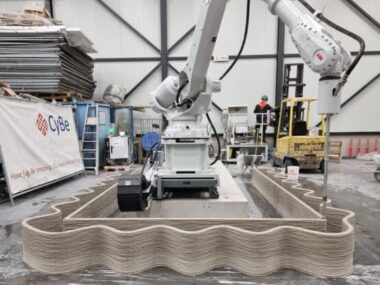
3D printing is revolutionizing how we approach complex structures. From printing entire houses to creating intricate components, this technology reduces material waste and speeds up construction. Prefabrication, where components are manufactured off-site and assembled on-site, is also gaining traction, allowing for faster and more efficient project execution.
4. Building Information Modeling (BIM)
BIM has become a cornerstone of modern construction. This digital representation of physical and functional characteristics enables better collaboration, reduces errors, and provides insights throughout a building’s lifecycle.
Sustainability: Building Greener Futures
As the construction industry contributes significantly to global carbon emissions, sustainability is no longer optional—it’s essential. The push for greener practices is reshaping materials, designs, and processes.
1. Green Building Materials
Eco-friendly materials such as recycled steel, bamboo, and low-carbon concrete are becoming mainstream. Innovations like self-healing concrete and photovoltaic glass are also gaining popularity.
2. Net-Zero Buildings
Net-zero energy buildings, which generate as much energy as they consume, are becoming a standard in many regions. Governments are introducing stricter building codes and offering incentives for energy-efficient designs.
3. Renewable Energy Integration
Solar panels, wind turbines, and other renewable energy sources are increasingly being incorporated into building designs. This trend is especially prominent in commercial and residential projects where energy efficiency is a key selling point.
4. Circular Economy in Construction
The concept of a circular economy—reducing waste by reusing and recycling materials—is gaining traction. Construction firms are finding ways to repurpose demolition waste and design buildings that can be easily deconstructed.
Workforce Transformation: Bridging the Skills Gap
The construction workforce is undergoing a significant transformation, driven by both technology and demographics.
1. Rise of High-Tech Roles
As technology becomes integral to construction, the demand for skilled professionals in AI, robotics, and data analysis is skyrocketing. Training programs and partnerships with educational institutions are crucial to filling this skills gap.
2. Shortage of Skilled Tradespeople
Despite technological advancements, traditional trades such as carpentry, plumbing, and masonry remain essential. However, a global shortage of skilled labor poses a challenge. Initiatives to attract younger generations to these trades are vital for sustaining the industry.
3. Diversity and Inclusion
Efforts to increase diversity in the construction workforce are gaining momentum. Programs aimed at attracting women, minorities, and underrepresented groups are not only addressing labor shortages but also fostering innovation through varied perspectives.
Global Market Growth: Opportunities in Emerging Economies
Emerging markets are set to drive much of the growth in the construction industry. Countries such as India, China, and Nigeria are experiencing rapid urbanization and economic development, creating a surge in demand for construction projects.
1. Asia-Pacific: The Growth Engine
The Asia-Pacific region is expected to account for nearly half of global construction spending by 2030. Mega-projects such as China’s Belt and Road Initiative and India’s Smart Cities Mission are driving this growth.
2. Africa: An Emerging Frontier
Africa’s population is projected to double by 2050, with urbanization rates among the highest in the world. This presents a huge opportunity for infrastructure development, particularly in housing, transportation, and utilities.
3. Latin America: A Rising Contender
Countries like Brazil and Mexico are investing heavily in infrastructure to boost economic growth. The region’s focus on renewable energy projects is also creating new opportunities for construction firms.
Challenges on the Horizon
While the future of the construction industry is promising, it is not without challenges. Rising material costs, regulatory pressures, and geopolitical uncertainties could hinder growth.
1. Material Shortages and Inflation
The COVID-19 pandemic exposed vulnerabilities in global supply chains, leading to material shortages and price hikes. Finding sustainable and local sourcing options will be critical.
2. Regulatory Compliance
Stringent environmental and safety regulations are increasing compliance costs. Construction firms must stay ahead of these changes to avoid penalties and project delays.
3. Climate Change Impacts
Extreme weather events, rising sea levels, and other climate-related challenges are affecting construction timelines and costs. Adapting to these risks is essential for long-term resilience.
The Role of Small and Medium Enterprises (SMEs)
SMEs play a crucial role in the construction ecosystem. Their agility allows them to adopt new technologies and practices more quickly than larger firms. By specializing in niche markets and leveraging innovation, SMEs can carve out a competitive advantage.
Case Study: SME Success
A small construction firm in the UK adopted prefabrication techniques for residential projects, reducing construction time by 30% and gaining a reputation for efficiency. This enabled the company to win larger contracts and expand its operations.
Real-World Testimonials: Voices from the Field
Testimonial 1: Adapting to Technology
“Implementing BIM has transformed how we approach projects. It’s reduced errors and streamlined communication across teams.” – Sarah T., Project Manager, Australia.
Testimonial 2: Embracing Sustainability
“Using recycled materials in our projects has not only reduced costs but also attracted environmentally conscious clients.” – Carlos M., Contractor, Brazil.
FAQs: Preparing for the Next Decade
Q: How can small businesses compete with larger firms?
A: Focus on specialization, adopt cost-saving technologies, and emphasize customer service to differentiate yourself.
Q: What’s the ROI on sustainable construction?
A: While upfront costs may be higher, energy savings, tax incentives, and increased property value often lead to substantial long-term benefits.
Q: Is automation replacing jobs in construction?
A: Automation is complementing, not replacing, human labor. It reduces repetitive tasks, allowing workers to focus on skilled roles.
Building the Future
The global construction industry is set to experience a decade of unprecedented growth, innovation, and transformation. Technological advancements and sustainable practices create immense opportunities for those ready to adapt and innovate. Businesses that embrace these changes, invest in their workforce, and plan strategically will position themselves to thrive in this evolving landscape.
Are you ready to build the future? Start preparing today by leveraging these insights and staying ahead of the curve. For more detailed analyses and actionable advice, explore our in-depth resources and stay informed on the latest industry trends.

 admin
admin