 admin
adminAre you tired of watching energy bills climb higher and higher while worrying about the toll traditional power sources take on the environment? Renewable energy offers a clear path forward, combining sustainability, affordability, and reliability. It’s more than just a buzzword—it’s the foundation of our energy future.
The growing adoption of renewable energy sources like hydropower, integrated solar systems, and advanced energy storage technologies marks a revolution in how we produce and consume power. These innovations not only protect the planet but also bring practical, cost-effective solutions for individuals, businesses, and communities. This guide explores why renewable energy matters and how it can transform your relationship with energy.
Why Renewable Energy Is Essential
The Case for Change
Traditional energy sources such as coal, oil, and natural gas have powered our world for centuries, but they come with significant downsides. They pollute the environment, contribute to climate change, and are finite resources that become more expensive as supplies dwindle. These challenges make renewable energy not just an option but a necessity.
Benefits of Renewable Energy
- Environmental Protection: Renewable energy significantly reduces greenhouse gas emissions, helping to combat global warming.
- Energy Independence: Local renewable sources eliminate dependence on foreign fuels, ensuring stable energy supplies.
- Economic Advantages: Falling costs and government incentives make renewables more affordable than ever, reducing energy bills for consumers and businesses alike.
Transitioning to renewables is not just about addressing climate change; it’s about creating a sustainable, resilient energy system for future generations.
Hydropower: Harnessing the Power of Water
The Backbone of Renewable Energy
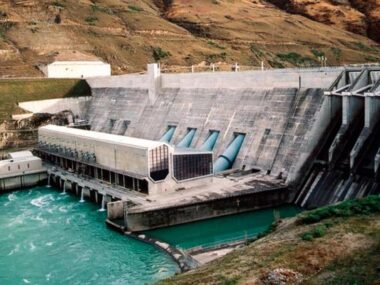
Hydropower is one of the most established renewable energy sources, using the kinetic energy of flowing water to generate electricity. Its consistent output makes it a reliable backbone for the energy grid, capable of balancing intermittent sources like wind and solar.
How Hydropower Works
- Dams and Reservoirs: These systems control water flow, turning turbines to generate electricity.
- Run-of-River Systems: These smaller systems use natural water flow without large reservoirs, minimizing environmental impact.
- Pumped Storage: Excess energy is used to pump water to higher elevations, storing it for later use during peak demand.
Benefits of Hydropower
- Reliable Energy: Provides consistent, around-the-clock power.
- Low Carbon Footprint: Produces minimal emissions compared to fossil fuels.
- Versatile Applications: Powers homes, industries, and even remote communities.
Real-world example:
“A rural village in Nepal uses small-scale hydropower to provide electricity to hundreds of homes, improving living standards while reducing reliance on diesel generators.”
Integrated Solar Systems: Maximizing Solar Potential
Revolutionizing Solar Energy
Integrated solar systems go beyond traditional rooftop panels, blending solar technology into building materials like shingles, windows, and facades. This seamless integration makes solar energy more accessible and visually appealing.
Innovative Solar Applications
- Solar Shingles: Replace conventional roofing materials while generating electricity.
- Transparent Solar Panels: Convert windows into energy-producing surfaces.
- Building-Integrated Photovoltaics (BIPV): Combine energy generation with architectural design.
Advantages of Integrated Solar Systems
- Space Efficiency: Utilize existing surfaces without requiring additional land.
- Aesthetic Appeal: Maintain the visual integrity of buildings.
- Increased Property Value: Energy-efficient homes and buildings command higher market prices.
Comparison:
Traditional solar panels often dominate landscapes, while integrated solar systems merge functionality with design, offering a sleek alternative.
Advanced Energy Storage: Unlocking Renewable Potential
The Challenge of Intermittency
Renewable energy sources like solar and wind are intermittent, producing power only when the sun shines or the wind blows. Advanced energy storage systems solve this challenge by storing excess energy for use during periods of low production.
Breakthrough Storage Technologies
- Lithium-Ion Batteries: Compact, efficient, and widely used in homes and electric vehicles.
- Flow Batteries: Scalable systems ideal for large-scale applications.
- Solid-State Batteries: Emerging technology offering higher energy density and safety.
Why Energy Storage Matters
- Grid Stability: Balances supply and demand to prevent outages.
- Energy Independence: Reduces reliance on the grid during peak hours.
- Cost Savings: Allows consumers to store energy when prices are low and use it when rates rise.
Real-world example:
“A commercial building in California installed a battery storage system that reduced energy costs by 20% and provided backup power during grid outages.”
Economic Benefits of Renewable Energy
Lower Energy Bills
Renewable energy systems, such as rooftop solar panels and wind turbines, allow consumers to generate their own electricity, reducing reliance on costly utility power. Over time, these systems pay for themselves through energy savings.
Job Creation
The renewable energy sector is a major driver of job growth, employing millions in manufacturing, installation, and maintenance roles. These jobs often offer competitive wages and long-term career opportunities.
Government Incentives
Governments worldwide provide financial incentives, including tax credits, grants, and low-interest loans, to encourage renewable energy adoption. These programs make it easier for individuals and businesses to transition to clean energy.
Comparison:
While fossil fuel industries face declining job opportunities due to automation and environmental regulations, renewables continue to expand, creating stable employment across diverse regions.
Energy Security Through Renewables
Resilient Energy Systems
Local renewable energy sources, such as solar farms and hydropower plants, reduce dependence on imported fuels. This decentralization minimizes vulnerabilities to supply chain disruptions and geopolitical tensions.
Backup Power Solutions
Advanced energy storage systems and microgrids ensure power availability during emergencies, enhancing resilience against natural disasters or cyberattacks.
The Role of Smart Grids in Renewable Energy Integration
What Are Smart Grids?
Smart grids use digital technology to monitor, manage, and optimize energy flow across power networks. They enable the seamless integration of renewable energy sources and improve grid efficiency.
Key Features
- Real-Time Monitoring: Tracks energy usage and production.
- Demand Response Programs: Incentivize consumers to shift energy use during peak times.
- Automated Systems: Detect and address issues before they cause outages.
Real-world example:
“In Denmark, a smart grid project integrated wind energy into the national grid, achieving over 50% renewable energy generation without compromising reliability.”
How to Transition to Renewable Energy
Steps for Individuals
- Install Solar Panels: Generate your own electricity and lower energy bills.
- Adopt Energy Storage: Gain independence from the grid and ensure backup power.
- Support Local Renewables: Choose energy providers that prioritize renewable sources.
Steps for Businesses
- Invest in Renewable Infrastructure: Solar panels, wind turbines, and storage systems reduce operating costs and demonstrate environmental responsibility.
- Participate in Energy Markets: Utilize demand response programs and sell excess energy back to the grid.
- Engage Employees: Promote renewable energy adoption through workplace initiatives.
FAQs About Renewable Energy
Q: Are renewable energy systems affordable for the average homeowner?
A: Yes, declining costs and government incentives make renewable systems more accessible than ever. Financing options also allow homeowners to spread costs over time.
Q: Can renewable energy fully replace fossil fuels?
A: With continued investment in storage and grid infrastructure, renewables can meet global energy needs. Some regions have already achieved 100% renewable energy generation.
Q: Do renewable energy systems require a lot of maintenance?
A: Most systems, such as solar panels and wind turbines, require minimal maintenance and have long lifespans, typically exceeding 20 years.
Embrace the Renewable Energy Revolution
Renewable energy is transforming the way we produce, store, and consume power, offering solutions that benefit both the planet and our wallets. Whether through hydropower’s reliability, solar energy’s accessibility, or advanced storage’s versatility, renewables empower individuals and communities to take control of their energy future.
By adopting renewable energy, you contribute to a cleaner environment, achieve energy independence, and enjoy financial savings. Now is the time to invest in sustainable solutions and be part of the energy revolution. Together, we can build a brighter, greener future.


 admin
admin