 admin
adminWhat makes a car not just fast, but mind-blowlingly fast? Is it sheer horsepower, cutting-edge battery technology, or the seamless integration of advanced materials and aerodynamics? The rise of electric vehicles (EVs) has shattered the long-standing stereotype that electric cars are slow, eco-friendly alternatives. Today, they’re not only challenging but often outperforming traditional internal combustion engine (ICE) vehicles, especially in terms of acceleration, top speed, and technological sophistication. But how are the world’s fastest electric cars achieving these record-breaking feats, and what do these advancements mean for the future of mobility?
Electric vehicles are rewriting the rulebook on performance. They pair sustainability with adrenaline-pumping speed, using engineering breakthroughs that were unimaginable a decade ago. As we dive into the top technological innovations powering these supercars, we’ll explore why electric vehicles are becoming the ultimate choice for speed enthusiasts and green tech advocates alike.
Electric vs. Gasoline: A New Paradigm in Speed
Electric cars have one key advantage over gasoline-powered vehicles: instant torque. Unlike ICE vehicles, where torque builds as the engine revs up, electric motors deliver maximum torque from a standstill. This results in breathtaking acceleration, allowing electric cars to outpace even the most powerful supercars off the line. For example, the Tesla Model S Plaid accelerates from 0 to 60 mph in an astonishing 1.99 seconds, setting a benchmark that many ICE vehicles can only dream of achieving.
Comparison: ICE vs. EV Acceleration
- Internal Combustion Engines: Relies on a multi-step process involving air intake, fuel combustion, and gear changes to reach peak power, leading to slower acceleration.
- Electric Vehicles: Uses a direct current (DC) motor to provide immediate power to the wheels, bypassing the mechanical delays associated with traditional engines.
In the race for speed, EVs have redefined the limits of what’s possible. This is not just a trend; it’s a shift in the way we think about high-performance vehicles.
1. Advanced Battery Technology: The Heart of Speed
At the core of every electric car’s performance lies its battery. But these aren’t the same batteries that power your laptop or smartphone—electric vehicle batteries are engineered for maximum energy density, quick discharge rates, and longevity. The faster an electric car, the more sophisticated its battery system needs to be.
Lithium-Ion Batteries: A Game-Changer
Lithium-ion technology has revolutionized EV performance, offering a balance between energy storage and weight. However, achieving top speeds requires batteries that can discharge immense amounts of power without overheating. Innovations like liquid cooling systems and thermal management algorithms ensure that batteries remain stable even during high-speed runs.
For example:
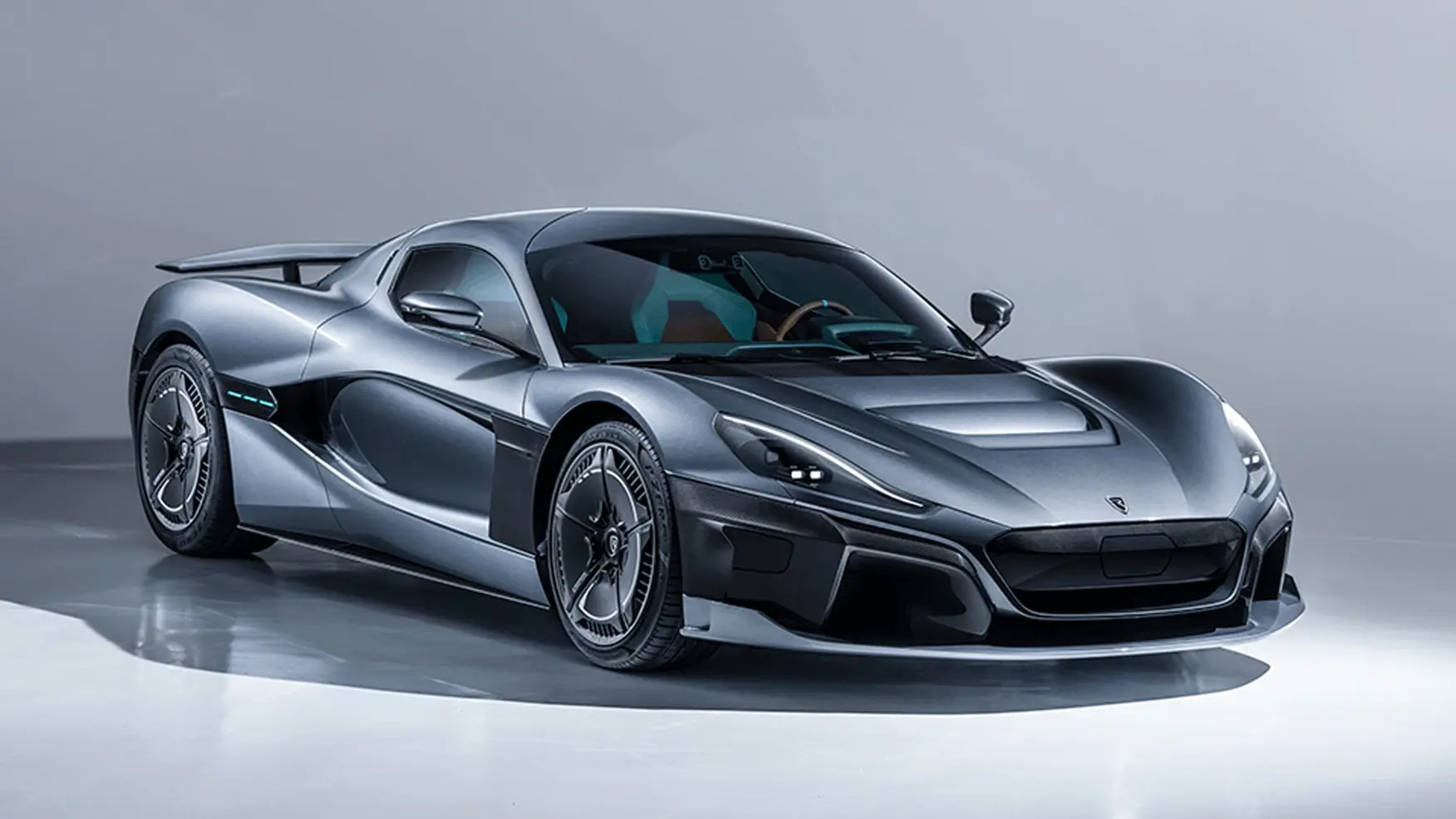
- Rimac Nevera: Its 120 kWh battery pack delivers a staggering 1,914 horsepower, allowing it to reach a top speed of 258 mph. Rimac’s cooling system ensures consistent performance by maintaining optimal battery temperatures.
Solid-State Batteries: The Future of Speed
Solid-state batteries are expected to replace lithium-ion as the gold standard in EVs. These batteries promise:
- Higher Energy Density: More power in a smaller, lighter package.
- Faster Charging Times: Critical for high-performance vehicles.
- Improved Safety: Reduced risk of overheating or thermal runaway.
As solid-state technology matures, we can expect even faster and more efficient electric cars to hit the market.
2. Aerodynamics: Shaping the Wind
In the world of high-speed vehicles, aerodynamics plays a critical role. Electric cars, especially those designed for speed, must minimize air resistance while maintaining stability at high velocities. Engineers achieve this through meticulous design and advanced simulation tools.
Key Aerodynamic Features
- Low Drag Coefficient: A measure of how easily a vehicle cuts through the air. Cars like the Lucid Air boast a drag coefficient as low as 0.21, making them among the most aerodynamic vehicles ever made.
- Active Aerodynamics: Features like adjustable spoilers and air intakes optimize airflow in real time, balancing drag reduction and downforce.
Material Innovation
Lightweight materials such as carbon fiber and aluminum composites are essential for achieving high speeds. These materials reduce weight without compromising structural integrity, allowing for quicker acceleration and improved handling.
3. Electric Motors: Redefining Power Delivery
Electric motors are simpler yet more efficient than internal combustion engines. Unlike ICEs, which rely on complex mechanical systems to convert fuel into motion, electric motors directly convert electrical energy into rotational force.
Motor Configurations
- Single Motor: Common in entry-level EVs, these provide adequate power for daily driving.
- Dual or Quad Motors: Found in high-performance EVs, these configurations allow for all-wheel drive and precise torque vectoring, enhancing acceleration and cornering.
Innovative Designs
- Tesla Model S Plaid: Features a tri-motor setup, delivering 1,020 horsepower and enabling unparalleled acceleration.
- Porsche Taycan Turbo S: Incorporates a two-speed transmission for optimized acceleration at low speeds and efficient cruising at high speeds.
4. Software Integration: The Brain Behind the Speed
Speed isn’t just about raw power—it’s also about control. Modern electric cars leverage cutting-edge software to manage power delivery, optimize energy efficiency, and enhance safety.
Key Features
- Torque Vectoring: Distributes power to individual wheels for better traction and cornering.
- Over-the-Air Updates: Allow manufacturers to improve performance and add new features without physical modifications.
- Driver Assistance Systems: Advanced stability controls ensure that high-speed maneuvers remain safe and predictable.
5. Regenerative Braking: Efficiency Meets Performance
Regenerative braking is one of the most unique features of electric vehicles. This system converts kinetic energy into electrical energy during braking, storing it back in the battery. While this technology is primarily aimed at increasing range, it also enhances performance by providing consistent and controlled deceleration.
High-Speed Benefits
In high-performance EVs like the Audi e-tron GT, regenerative braking works seamlessly with traditional brakes to improve stability during high-speed deceleration. This not only extends battery life but also enhances driver confidence.
Real-World Testimonials: The Thrill of Electric Speed
Electric car enthusiasts and industry experts alike rave about the thrilling performance of today’s EVs. Here’s what some have to say:
- John D., Performance Car Reviewer: “Driving the Rimac Nevera feels like being in a rocket. The acceleration is instant, and the stability at high speeds is unparalleled.”
- Sarah L., Tesla Owner: “I was skeptical about EVs until I experienced the Model S Plaid. The speed and responsiveness completely changed my perspective.”
- Mike R., Automotive Engineer: “What impresses me most is how software and hardware work together in electric cars. It’s not just about speed—it’s about control and precision.”
FAQs: Answering Common Questions
Q: How do electric cars achieve faster acceleration than gas-powered cars?
A: Electric motors deliver instant torque, eliminating the lag associated with internal combustion engines, which need to build up revs.
Q: Are electric cars safe at high speeds?
A: Yes. Advanced stability systems, aerodynamic designs, and regenerative braking ensure safety even at top speeds.
Q: Do high-speed EVs sacrifice range?
A: High-speed driving can reduce range, but advancements in battery technology and energy recovery systems are mitigating this issue.
The Road Ahead: The Future of Electric Speed
The quest for speed isn’t slowing down. As battery technology improves and new materials emerge, the next generation of electric supercars will be faster, lighter, and more efficient than ever before. With manufacturers investing heavily in innovation, it’s only a matter of time before we see EVs breaking new records and redefining performance benchmarks.
Speed, Sustainability, and Engineering Excellence
The engineering breakthroughs behind the world’s fastest electric cars are not just advancing automotive technology—they’re reshaping our understanding of speed and sustainability. By combining cutting-edge battery systems, aerodynamic designs, powerful electric motors, and advanced software, these vehicles prove that you don’t have to choose between performance and eco-friendliness.
As we race into the future, one thing is clear: electric cars are here to stay, and they’re only getting faster. Whether you’re an enthusiast, an engineer, or a curious observer, the evolution of electric speed is a thrilling journey to witness—and it’s just getting started.

 admin
admin