admin
adminWhat if you could extend your machinery’s lifespan by several years, reduce downtime, and improve your operational efficiency? Are you currently leveraging all available strategies to ensure that your equipment runs smoothly, or are preventable maintenance issues quietly draining your resources?
In the engineering sector, equipment longevity isn’t just an operational concern—it’s a strategic advantage. Whether you’re in construction, manufacturing, or infrastructure development, equipment downtime can derail project timelines, inflate costs, and strain relationships with stakeholders. Fortunately, proactive measures can prevent many of these issues. By cracking the code of equipment longevity, you can ensure that your machinery continues to deliver value throughout its lifecycle.
This comprehensive guide explores strategies to optimize equipment longevity, drawing on best practices, industry insights, real-world testimonials, and technological advancements to equip you with actionable solutions.
Understanding Equipment Longevity: A Strategic Perspective
Equipment longevity refers to the total operational life of a machine, from its acquisition to its eventual decommissioning. The goal is not just to extend this lifespan but to ensure optimal performance at every stage. Achieving this requires a combination of proper usage, regular maintenance, and strategic planning.
1. The True Cost of Equipment Failure
The financial impact of equipment failure goes beyond repair costs. Consider the ripple effects:
- Operational Downtime: When equipment fails, projects grind to a halt, delaying deliverables and inflating costs.
- Lost Revenue: Downtime can lead to penalties for missed deadlines or lost opportunities.
- Repair vs. Replacement Costs: Frequent breakdowns accelerate wear and necessitate earlier replacements.
- Reputational Damage: Chronic delays or subpar project outcomes can tarnish your company’s reputation.
Investing in equipment longevity is not an optional expense—it’s a necessity for reducing these hidden costs.
2. The Equipment Lifecycle: Key Phases
To understand how to optimize longevity, it’s important to grasp the equipment lifecycle:
- Acquisition: Selecting high-quality, task-appropriate machinery.
- Deployment: Proper setup and initial use to avoid early wear.
- Operation and Maintenance: Regular servicing to keep machinery in peak condition.
- Retirement: Strategic decommissioning and replacement planning.
By addressing the needs of each phase, you can ensure that your equipment delivers maximum value over its lifespan.
Strategies to Optimize Equipment Longevity
1. Implement Preventative Maintenance
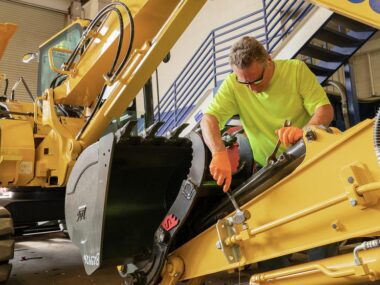
Preventative maintenance involves regular, scheduled inspections and servicing to identify and resolve potential issues before they escalate. Here’s why it’s critical:
- Cost Efficiency: Proactive maintenance is significantly cheaper than emergency repairs.
- Increased Lifespan: Addressing small issues early prevents them from snowballing into major problems.
- Consistent Performance: Well-maintained equipment operates more efficiently, reducing energy consumption and wear.
Example: A construction company reduced downtime by 40% after implementing a weekly maintenance schedule for its fleet of excavators, focusing on oil changes, filter replacements, and hydraulic system inspections.
2. Leverage Operator Training Programs
Equipment misuse is a leading cause of premature wear and tear. Proper training ensures that operators:
- Understand Machine Limits: Overloading or overusing equipment can cause significant damage.
- Use Tools Appropriately: Misuse of controls or improper handling can lead to accidents and breakdowns.
- Follow Maintenance Protocols: Trained operators are more likely to perform routine checks and report issues.
Real-World Testimonial:
“After introducing mandatory training sessions for our forklift operators, we noticed a 25% decrease in repair costs. The training not only improved safety but also extended the lifespan of our fleet.”
— James W., Logistics Manager
3. Adopt Advanced Monitoring Technology
Modern engineering projects are increasingly incorporating IoT-enabled devices and predictive analytics to monitor equipment health in real-time. These technologies provide valuable insights:
- Early Warning Systems: Sensors detect anomalies like unusual vibrations, temperature spikes, or pressure drops.
- Data-Driven Decisions: Predictive analytics can forecast maintenance needs, allowing for better planning.
- Reduced Downtime: Real-time monitoring enables quick responses to potential failures.
Case Study:
A mining company installed IoT sensors on its drilling equipment to monitor vibration patterns. By identifying early signs of bearing wear, the company reduced unscheduled downtime by 30% and saved $500,000 annually in repair costs.
4. Optimize Equipment Selection
Not all machinery is created equal. When purchasing equipment, prioritize:
- Quality over Cost: Cheaper machines may have lower upfront costs but higher long-term maintenance and replacement expenses.
- Task-Specific Design: Using the right equipment for the job minimizes stress and wear.
- Brand Reputation and Support: Reliable brands often offer better warranties, customer support, and spare parts availability.
Comparison:
| Feature | High-Quality Equipment | Low-Quality Equipment |
|---|---|---|
| Lifespan | 10–15 years | 5–7 years |
| Maintenance Frequency | Lower | Higher |
| Downtime Costs | Minimal | Significant |
5. Adapt to Environmental Challenges
Environmental factors like extreme temperatures, humidity, or corrosive conditions can significantly impact equipment longevity. To mitigate these effects:
- Protective Measures: Use weather-resistant coatings, covers, or enclosures.
- Climate-Specific Maintenance: Adjust maintenance schedules to account for environmental stressors.
- Environmental Monitoring: Install sensors to track and mitigate environmental damage.
Example: Offshore drilling rigs face harsh saltwater conditions that accelerate corrosion. Companies combat this with regular anti-corrosion treatments and specialized coatings, extending equipment life by several years.
6. Maintain Comprehensive Records
A detailed maintenance log is invaluable for tracking equipment health and planning future actions. Include:
- Maintenance schedules and completed services.
- Component replacements and upgrades.
- Incident reports detailing malfunctions or repairs.
This data helps identify recurring issues, assess overall equipment performance, and plan replacements proactively.
Comparative Insights: Proactive vs. Reactive Maintenance
| Aspect | Proactive Maintenance | Reactive Maintenance |
|---|---|---|
| Cost | Lower overall costs due to early issue detection. | Higher costs due to emergency repairs. |
| Downtime | Minimized through scheduled servicing. | Frequent and unpredictable. |
| Equipment Lifespan | Extended through consistent care. | Shortened by neglect. |
| Workplace Safety | Higher, as hazards are identified early. | Lower, with increased accident risks. |
FAQs: Your Questions Answered
Q: How often should preventative maintenance be performed?
A: The frequency depends on the equipment type and manufacturer recommendations. Generally, heavy machinery should undergo maintenance every 200–500 operational hours.
Q: Is advanced monitoring technology worth the investment?
A: Yes. While there is an upfront cost, the long-term savings from reduced downtime and repair expenses make it highly cost-effective.
Q: How do I know when to retire equipment?
A: Monitor performance metrics like repair frequency, operational efficiency, and downtime. If repair costs exceed 50% of the equipment’s value, replacement is often more economical.
The Path to Sustainable Engineering Success
Optimizing equipment longevity in the engineering sector is both a science and an art. By prioritizing preventative maintenance, training your team, leveraging advanced technology, and tailoring practices to environmental conditions, you can maximize the value of your machinery.
Investing in equipment longevity not only reduces costs but also enhances operational efficiency and safety, ensuring that your projects stay on track and deliver superior results. Don’t wait for breakdowns—start implementing these strategies today and secure a sustainable, high-performing future for your engineering operations.

 admin
admin