 admin
adminImagine a workplace where every potential hazard is identified before it becomes a problem, where your workforce feels secure and supported, and where your firm thrives with minimal downtime and maximum productivity. This isn’t just a possibility—it’s the reality that advanced safety technologies bring to engineering firms worldwide.
In high-risk environments like engineering, safety isn’t just compliance; it’s the foundation of operational excellence. From wearable devices to AI-powered analytics, these technologies empower firms to reduce accidents, optimize performance, and enhance their reputation. This guide explores the top safety technologies that are reshaping the industry and explains why investing in them is essential for success.
Why Safety Technologies Are Critical Investments
The Cost of Oversights
Safety oversights in engineering firms can lead to catastrophic consequences, including accidents, equipment damage, legal liabilities, and even loss of life. Traditional safety measures, while effective in the past, often fail to keep up with the complexities of modern engineering projects.
What Safety Technologies Bring to the Table
Safety technologies enhance traditional measures by:
- Providing real-time monitoring of environments and workers.
- Reducing human error through automation.
- Streamlining compliance and reporting processes.
- Creating safer, more efficient workplaces.
Investing in these technologies is no longer optional. They are a necessary response to the evolving challenges of high-risk industries.
Wearable Safety Devices: Redefining Worker Protection
Real-Time Monitoring for Real-Time Safety
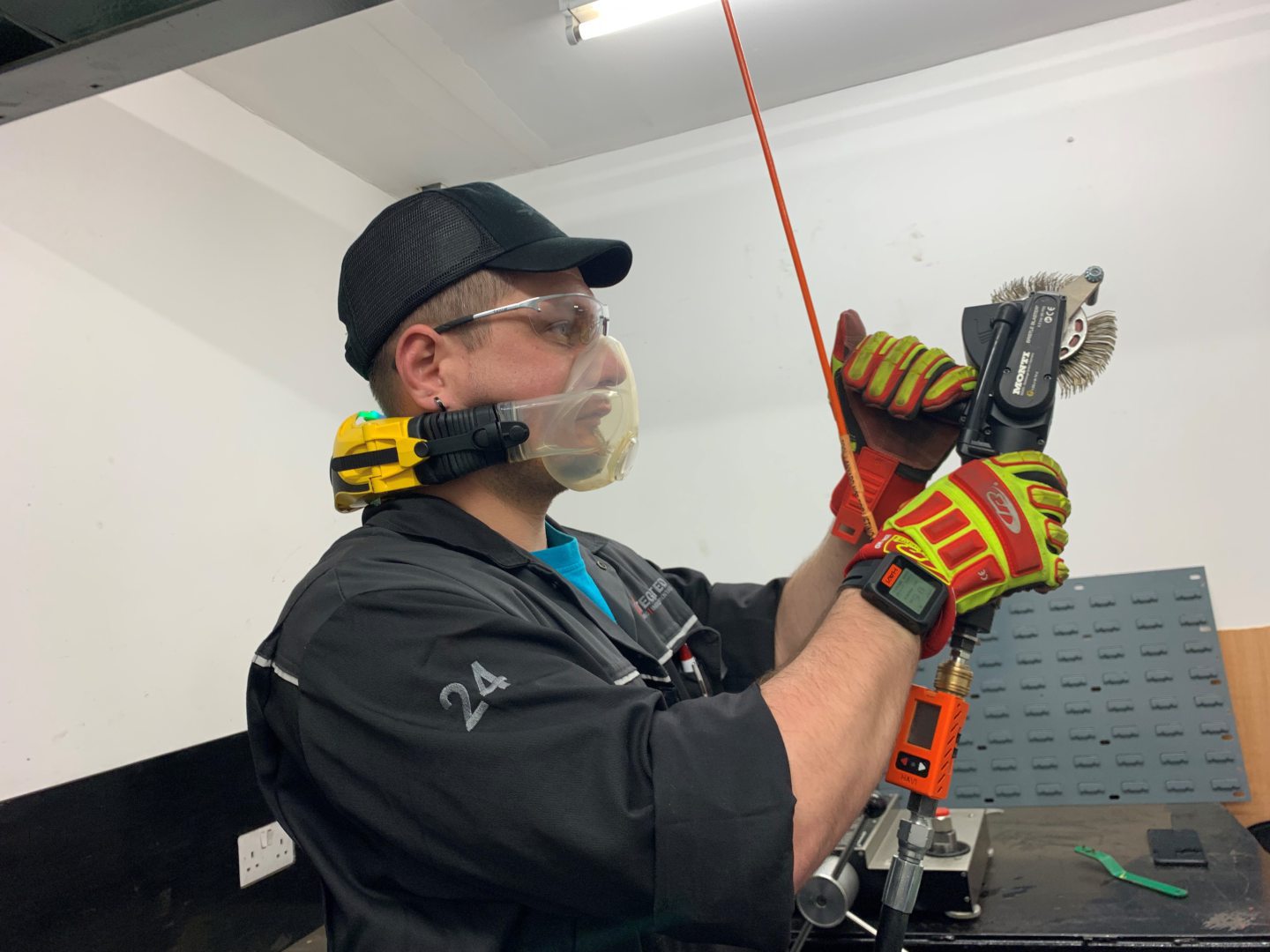
Wearable safety devices are equipped with advanced sensors that track workers’ vital signs, movements, and locations. These devices can detect early signs of fatigue, heat stress, or unsafe conditions, providing alerts to both workers and supervisors.
How They Work
- Vital Sign Tracking: Monitors heart rate, temperature, and hydration levels.
- GPS Integration: Tracks worker location in real time, especially in high-risk zones.
- Fall Detection: Identifies falls and sends automatic alerts to response teams.
Real-world example:
“A construction company reduced heat-related incidents by 40% by equipping workers with wearables that detected early signs of dehydration and overheating.”
IoT-Enabled Sensors: Smarter Environments, Safer Workplaces
Creating Connected Workplaces
IoT-enabled sensors transform workplaces by continuously monitoring environmental conditions. These sensors detect hazards like toxic gas leaks, extreme temperatures, or unsafe noise levels, triggering automated alerts and responses.
Applications of IoT Sensors
- Air Quality Monitoring: Detects harmful pollutants in real time.
- Noise Level Alerts: Ensures compliance with occupational noise standards.
- Gas Leak Detection: Identifies and mitigates chemical leaks before they escalate.
Comparison:
Traditional monitoring relies on periodic checks, while IoT sensors provide constant, real-time data, significantly enhancing workplace safety.
Drones: Safeguarding High-Risk Inspections
Revolutionizing Inspections
Drones eliminate the need for workers to physically access hazardous or hard-to-reach areas. By capturing high-resolution images and videos, drones enable safe, efficient inspections of structures like bridges, pipelines, and skyscrapers.
Key Features
- Thermal Imaging: Identifies structural weaknesses invisible to the naked eye.
- Remote Operation: Keeps workers out of harm’s way during inspections.
- Data Integration: Provides actionable insights through advanced analytics.
Real-world example:
“An engineering firm saved $250,000 annually by using drones for pipeline inspections, reducing worker risk and cutting inspection times by half.”
AI-Powered Safety Analytics: From Data to Action
Harnessing the Power of AI
Artificial intelligence analyzes vast amounts of safety data to identify patterns and predict risks. AI-powered platforms enable firms to anticipate accidents, implement targeted interventions, and improve overall safety performance.
Applications of AI in Safety
- Incident Analysis: Identifies root causes and trends in safety data.
- Predictive Maintenance: Prevents equipment failures by analyzing performance data.
- Behavioral Analytics: Detects unsafe worker behaviors and suggests corrective actions.
Comparison:
AI transforms reactive safety management into proactive risk prevention, giving firms a significant advantage in high-stakes environments.
Virtual Reality Training: Preparing for Real-World Risks
Immersive Learning Experiences
Virtual reality (VR) training places workers in realistic simulations of hazardous scenarios, allowing them to practice safety protocols without facing actual dangers. This hands-on approach enhances learning and prepares employees for real-world challenges.
Benefits of VR Training
- Enhanced Retention: Workers remember lessons better through immersive experiences.
- Cost-Effective: Reduces the need for expensive physical training setups.
- Customizable Scenarios: Tailors training to specific roles and risks.
Real-world example:
“A mining company reduced accidents by 30% after implementing VR training for new employees, helping them navigate high-risk environments safely.”
Automated Safety Systems: Responding Faster, Safer
Instant Hazard Mitigation
Automated safety systems detect and respond to risks faster than human intervention. These systems include emergency shutdowns, fire suppression, and robotic safety barriers that prevent accidents and minimize damage.
Applications
- Fire Suppression Systems: Automatically extinguish fires in seconds.
- Robotic Barriers: Isolate dangerous zones, protecting workers without halting operations.
- Automated Equipment Shutdowns: Stop malfunctioning machinery before accidents occur.
Comparison:
Automated systems respond to threats in milliseconds, outperforming manual safety measures and reducing the scope of potential damage.
Safety Management Software: Centralizing Safety Operations
Streamlining Safety Oversight
Safety management software provides a centralized platform for tracking, analyzing, and improving safety practices. These systems digitize safety processes, ensuring that managers have instant access to critical information.
Features of Advanced Software
- Incident Reporting: Simplifies and standardizes reporting procedures.
- Real-Time Dashboards: Visualizes safety data for quick decision-making.
- Compliance Tracking: Ensures adherence to regulatory standards.
Real-world example:
“An aerospace firm used safety management software to streamline audits, cutting compliance costs by 25% and improving reporting accuracy.”
The Financial and Reputational Advantages of Safety Technologies
Reducing Costs and Liabilities
By preventing accidents, safety technologies save firms from costly medical expenses, legal battles, and downtime. These savings often outweigh the initial investment in technology.
Building a Safety-First Reputation
Clients, employees, and stakeholders value firms that prioritize safety. A strong safety record attracts talent, builds trust, and opens doors to new business opportunities.
FAQs About Safety Technologies in Engineering Firms
Q: Are safety technologies expensive to implement?
A: While initial costs can be significant, the long-term savings from reduced accidents, downtime, and legal liabilities often justify the investment.
Q: How do these technologies impact productivity?
A: Safety technologies enhance productivity by minimizing disruptions and creating a secure environment where workers can focus on their tasks.
Q: Can small firms benefit from safety technologies?
A: Yes, scalable options like wearables and IoT sensors allow small firms to enhance safety without significant upfront costs.
Embracing Safety Technologies for a Secure Future
Safety technologies are reshaping how engineering firms approach risk management and operational efficiency. By investing in tools like wearables, IoT sensors, AI analytics, and VR training, firms can protect their workforce, enhance productivity, and build lasting reputations as leaders in safety innovation.
The future of safety lies in proactive, tech-driven solutions. By embracing these advancements, engineering firms can secure a safer, smarter, and more successful future for their operations and workforce. The time to act is now—because in safety, every second and every decision count.


 admin
admin