admin
adminUnexpected downtime can be a major source of frustration, disrupting productivity and cutting into revenue. But what if inefficiencies could be eliminated, and operations kept running smoothly with strategic maintenance solutions? In today’s fast-paced, competitive world, maintaining seamless operations isn’t just a goal—it’s an absolute necessity.
Global maintenance strategies are redefining how businesses approach operational efficiency. From predictive maintenance powered by advanced technologies to proactive scheduling that minimizes disruptions, these strategies offer a clear roadmap to success. Let’s dive deeper into the techniques and innovations that safeguard operations, save costs, and ensure long-term growth.
The Importance of Effective Maintenance Strategies
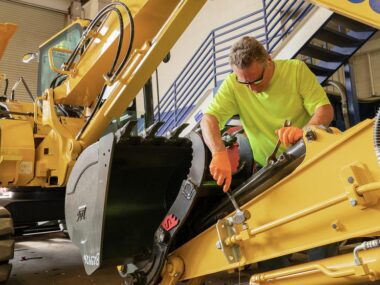
Maintenance is not just about fixing equipment when it breaks; it’s about ensuring smooth and uninterrupted operations by anticipating and preventing failures. Reactive maintenance often leads to high costs, prolonged downtime, and ripple effects on productivity. In contrast, global maintenance strategies adopt a proactive framework, ensuring that businesses operate efficiently, reliably, and sustainably.
By implementing effective maintenance, businesses can extend the lifespan of assets, reduce costly breakdowns, improve safety, and enhance compliance with regulatory standards. Moreover, well-planned maintenance strategies contribute to sustainability by optimizing energy use and minimizing waste, giving businesses a competitive edge.
Key Components of Global Maintenance Strategies
Predictive Maintenance for Real-Time Efficiency
Predictive maintenance uses advanced data analytics and IoT devices to monitor equipment performance and predict potential failures before they occur. Sensors collect real-time data, which is analyzed using machine learning algorithms to identify anomalies and forecast maintenance needs.
For example, in a manufacturing plant, predictive maintenance can identify signs of wear in machinery. By scheduling repairs during planned downtime, the plant avoids costly disruptions and maintains production flow. This approach minimizes unplanned downtime, reduces maintenance costs, and boosts customer satisfaction.
Proactive Maintenance Scheduling
Proactive maintenance focuses on regular inspections and upkeep to identify and address vulnerabilities before they escalate into major issues. This strategy ensures that equipment operates at peak performance, reducing the likelihood of unexpected failures.
A comprehensive maintenance schedule aligns tasks with production timelines, minimizing disruptions. For instance, a transportation company might schedule maintenance for its fleet during off-peak hours, ensuring availability during busy periods. Proactive maintenance also supports compliance with safety and environmental regulations, enhancing operational integrity.
Leveraging Technology for Maintenance Optimization
Technology lies at the heart of modern maintenance strategies, enabling businesses to streamline operations and improve decision-making. Computerized Maintenance Management Systems (CMMS) centralize data, providing a detailed overview of assets, schedules, and performance metrics. These systems help track maintenance activities, optimize resource allocation, and ensure timely completion
of tasks.
Drones and robotics are transforming maintenance practices by enhancing safety and efficiency. Drones equipped with sensors and cameras inspect hard-to-reach areas, such as rooftops or pipelines, while robotic systems perform repetitive or hazardous tasks with precision. These tools reduce risks to human workers and speed up maintenance processes.
Overcoming Challenges in Maintenance
Addressing Operational Diversity
One challenge businesses face is managing maintenance across diverse operational environments. Global operations involve varied climates, regulations, and equipment, requiring tailored maintenance strategies for each region or facility.
Standardizing core processes while customizing local solutions ensures consistency without sacrificing relevance. For example, equipment in a humid tropical region may require more frequent checks for corrosion than similar machinery in a dry climate.
Overcoming Resistance to Change
Workers may resist adopting new technologies, fearing complexity or job displacement. Effective communication and training programs are essential for easing transitions. Highlighting the benefits of new tools, such as reduced workload and enhanced safety, fosters acceptance and enthusiasm.
For example, introducing augmented reality (AR) for maintenance training can make the learning process engaging and interactive, demonstrating how technology empowers rather than replaces workers.
Balancing Costs and Benefits
Implementing advanced maintenance strategies often requires significant upfront investment in tools, training, and infrastructure. However, the long-term benefits—reduced downtime, extended equipment life, and operational savings—far outweigh the initial costs.
Businesses can overcome budget constraints by exploring leasing options, government incentives, or phased implementation. A detailed cost-benefit analysis helps justify investments to stakeholders, ensuring alignment with organizational goals.
Industry Applications of Global Maintenance Strategies
Manufacturing
Manufacturers rely on maintenance to keep production lines running efficiently. Predictive maintenance reduces unplanned stoppages, while robotics and automation enhance precision in equipment repairs. These strategies ensure timely delivery, minimize waste, and boost competitiveness.
Energy and Utilities
In the energy sector, maintenance ensures uninterrupted services and operational safety. Wind turbines, solar panels, and power grids benefit from real-time monitoring and predictive analytics, enabling early detection of faults and optimizing energy output.
Transportation and Logistics
Transportation networks depend on reliable infrastructure and well-maintained fleets. Proactive scheduling and IoT-enabled systems track vehicle health, reducing breakdowns and ensuring timely deliveries. Maintenance strategies also enhance passenger safety and satisfaction in public transit systems.
Sustainability and Maintenance: A Winning Combination
Energy Efficiency and Resource Optimization
Maintenance strategies align with sustainability goals by optimizing energy use and reducing waste. Predictive tools identify inefficiencies, allowing timely interventions to conserve energy and materials. For example, a factory might use predictive analytics to detect and fix a leaking valve, preventing energy loss and reducing water waste.
Extending Asset Lifespan
Regular maintenance extends the life of machinery and infrastructure, delaying the need for replacements and reducing environmental impact. Sustainable practices, such as recycling used parts and adopting eco-friendly lubricants, further enhance the green credentials of maintenance operations.
The Future of Maintenance Strategies
Digital Twins
Digital twins create virtual replicas of physical assets, allowing businesses to simulate scenarios, predict outcomes, and optimize maintenance schedules. For example, a digital twin of a factory can model equipment performance under different conditions, helping managers plan repairs effectively.
Augmented Reality (AR) for On-Site Support
AR enhances maintenance by providing real-time visual guidance to technicians. Using AR headsets, workers can access step-by-step instructions or collaborate with remote experts, reducing errors and speeding up repairs.
Blockchain for Transparency
Blockchain technology creates secure, transparent records of maintenance activities. These records improve accountability, facilitate compliance audits, and build trust among stakeholders.
Real-World Testimonials and Success Stories
Case Study: Predictive Maintenance in Manufacturing
A global automotive manufacturer implemented IoT-enabled predictive maintenance, reducing downtime by 30% and saving millions annually. Sensors detected early signs of motor wear, enabling timely replacements without halting production.
Case Study: Drones Enhancing Infrastructure Maintenance
An energy company used drones to inspect remote wind farms, identifying structural weaknesses that traditional methods overlooked. The proactive repairs extended the turbines’ operational life and improved energy efficiency.
FAQs: Addressing Common Questions
What is the difference between predictive and preventive maintenance?
Predictive maintenance uses real-time data to anticipate failures, while preventive maintenance involves regular checks based on predefined schedules. Both approaches aim to prevent downtime, but predictive maintenance offers greater precision and efficiency.
How can small businesses adopt advanced maintenance strategies?
Small businesses can start with affordable tools, such as cloud-based CMMS or handheld diagnostic devices. Gradual upgrades and partnerships with technology providers help scale capabilities over time.
Build a Resilient Future with Maintenance Excellence
Global maintenance strategies are the backbone of operational success. By adopting proactive, data-driven approaches, businesses can eliminate inefficiencies, reduce costs, and enhance sustainability. The journey to operational excellence begins with a commitment to innovation and continuous improvement.
Don’t let outdated practices hold you back. Embrace the power of predictive analytics, IoT, and modern tools to transform your operations. For expert guidance and the latest innovations, visit our Operations Optimization Hub. Together, let’s create a future where seamless operations drive unparalleled success.


 admin
admin