 admin
adminWhy do some construction projects wrap up ahead of schedule while others face endless delays? The answer might be in the tools and equipment used on-site. In today’s fast-paced construction industry, advanced heavy machinery is proving to be the driving force behind faster, more efficient, and sustainable project completions.
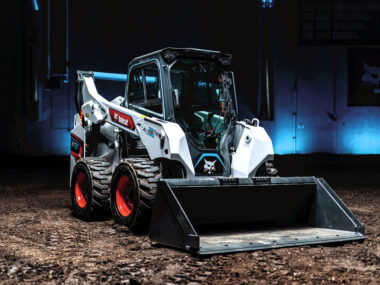
From smart excavators to AI-powered cranes, machinery upgrades are transforming construction by enhancing speed, precision, and reliability. This comprehensive guide explores the role of advanced heavy machinery in modern construction, delving into its benefits, challenges, and future potential.
The Evolution of Heavy Machinery in Construction
From Basic Tools to Smart Machines
Construction has always relied on heavy machinery to accomplish large-scale tasks. Traditional equipment like bulldozers and cranes provided the muscle to handle demanding projects. However, the industry’s increasing complexity and tight deadlines exposed the limitations of older machines.
Today, modern heavy machinery integrates technologies such as automation, real-time data analytics, and IoT (Internet of Things). These advancements enable machines to perform tasks faster, more accurately, and with less manual input. For instance, GPS-guided bulldozers can grade land precisely, reducing rework and saving time.
This evolution represents a shift from brute force to intelligent efficiency, setting the stage for smarter, faster, and more sustainable construction practices.
Key Benefits of Upgrading Heavy Machinery
Faster Project Completion
One of the most significant advantages of upgraded machinery is speed. Modern equipment incorporates advanced hydraulics, high-performance engines, and optimized controls, enabling operators to complete tasks in a fraction of the time. Faster digging, lifting, and grading translate directly into shorter project timelines.
For example, a traditional backhoe might take days to excavate a foundation, whereas an upgraded excavator equipped with automated controls can achieve the same in hours.
Enhanced Precision
Precision is critical in construction, where even minor errors can lead to costly delays. Upgraded machinery integrates laser guidance, 3D modeling, and advanced sensors, ensuring that tasks are completed with unmatched accuracy.
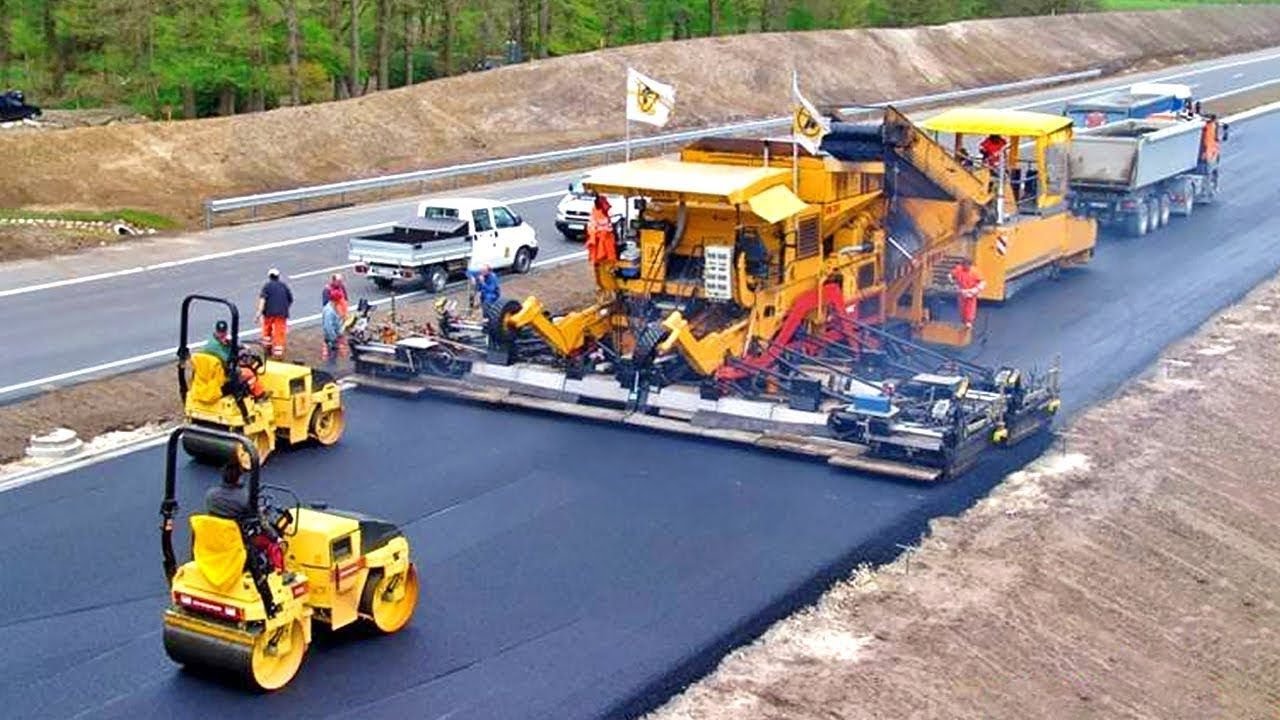
Take road construction, for instance. Paving machines equipped with laser-guided systems can lay asphalt at the correct thickness and alignment, eliminating the need for corrections. This precision enhances project quality and reduces waste.
Improved Reliability
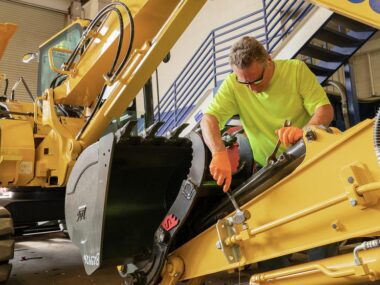
Modern heavy machinery is designed for durability and ease of maintenance. Real-time diagnostics and predictive maintenance features allow operators to identify potential issues before they escalate, minimizing downtime.
Reliability ensures that projects stay on schedule and within budget, making upgraded machinery an invaluable asset for construction companies.
The Role of Automation in Heavy Machinery
Streamlining Operations
Automation has revolutionized heavy machinery, automating repetitive and labor-intensive tasks. Machines like autonomous excavators and self-driving dump trucks can perform their functions with minimal human intervention, improving efficiency and safety.
For example, automated grading systems can level a construction site to exact specifications without requiring constant operator input. This streamlines operations and allows teams to focus on other critical aspects of the project.
Enhancing Safety
Safety is a top priority in construction, and automation significantly reduces risks. Autonomous machines can operate in hazardous environments, such as unstable terrains or areas with toxic materials, keeping workers out of harm’s way.
These technologies also include collision detection systems, ensuring safe operations on crowded job sites.
Sustainability and Environmental Impact
Greener Machines for a Cleaner Future
As the construction industry faces growing scrutiny over its environmental impact, sustainability has become a driving force behind machinery upgrades. Modern equipment features fuel-efficient engines, reduced emissions, and alternative power sources like electricity and hydrogen.
Hybrid and electric heavy machinery not only lower operational costs but also contribute to cleaner air and reduced carbon footprints. For example, electric excavators produce zero emissions, making them ideal for urban projects with strict environmental regulations.
Supporting Circular Economy Practices
Advanced machinery enables construction companies to adopt circular economy principles by reducing waste and recycling materials. Equipment with precision cutting and sorting capabilities ensures that resources are used efficiently, aligning with global sustainability goals.
Overcoming Challenges in Implementing Upgrades
High Initial Costs
One of the biggest hurdles in upgrading heavy machinery is the upfront investment. Advanced equipment can be expensive, making it difficult for smaller firms to justify the costs. However, financing options, leasing programs, and government incentives can help bridge this gap.
Training and Skill Development
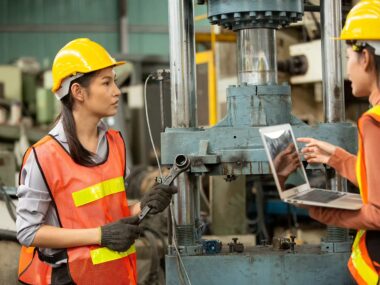
Introducing upgraded machinery requires skilled operators who understand the technology. Providing comprehensive training programs ensures that teams can maximize the benefits of new equipment.
Collaboration with manufacturers and training institutes can help construction companies stay ahead of the learning curve.
The Future of Heavy Machinery in Construction
AI and Machine Learning Integration
The next frontier for heavy machinery lies in artificial intelligence (AI) and machine learning. Future machines will analyze data, adapt to changing conditions, and make real-time decisions, further enhancing efficiency.
Imagine a crane that can calculate the optimal lifting path or an excavator that adjusts its digging strategy based on soil conditions. These capabilities will redefine what’s possible in construction.
Electric and Hydrogen-Powered Machines
As the world shifts toward renewable energy, the construction industry is following suit. Electric and hydrogen-powered machinery are poised to replace traditional diesel-powered equipment, offering zero-emission alternatives without compromising performance.
These innovations will play a pivotal role in achieving net-zero construction goals.
Real-World Testimonials
Faster Project Completion in Urban Construction
“We upgraded to GPS-guided graders and saw a 40% reduction in project timelines. The precision and speed were game-changers.”
– Mark T., Project Manager
Sustainability in Practice
“Switching to electric loaders has cut our fuel costs in half and helped us meet our sustainability targets. Clients appreciate the effort.”
– Sarah L., Construction Firm Owner
FAQs About Heavy Machinery Upgrades
Q: Are upgrades worth the cost?
A: Yes, while the initial investment is high, the long-term savings in efficiency, reliability, and sustainability often outweigh the costs.
Q: How do I train my team for new equipment?
A: Many manufacturers offer training programs. Partnering with them ensures your team gains the necessary skills to operate upgraded machinery effectively.
Q: Can older machines be retrofitted with modern technology?
A: Yes, retrofitting is an option for upgrading existing machinery, though it may not offer the same level of performance as brand-new equipment.
Embrace the Future of Construction
Upgraded heavy machinery is no longer a luxury—it’s a necessity for staying competitive in today’s construction industry. These advancements deliver faster timelines, greater precision, and improved sustainability, making them essential for success.
Now is the time to invest in smarter, greener, and more efficient machinery. Explore the latest innovations, plan strategically, and lead your projects to new heights. For more insights and resources, visit our Construction Technology Hub and join the revolution in modern construction.

 admin
admin