 admin
adminHave you ever paused to think about how much unplanned downtime costs your construction projects? Imagine a major piece of equipment breaking down mid-project—halting operations, delaying deadlines, and inflating budgets. What if you could prevent such costly disruptions with a proactive approach to maintenance? In the construction industry, where time equals money, effective equipment maintenance isn’t just a necessity—it’s a strategic advantage.
This guide explores essential strategies for cost-saving construction equipment maintenance. Whether you’re managing a fleet of heavy machinery or operating a single project site, these actionable tips will help you enhance equipment reliability, reduce repair costs, and boost overall profitability.
Why Maintenance Matters: The Lifeline of Construction Equipment
The Impact of Downtime
Every hour of downtime translates into lost revenue, idle workers, and disrupted schedules. A single equipment failure can ripple across your project, affecting timelines and client relationships. Studies suggest that unplanned downtime costs construction businesses millions annually, underscoring the critical role of maintenance in operational success.
Benefits of Proactive Maintenance
- Improved Reliability: Regular upkeep ensures machinery operates smoothly, reducing unexpected failures.
- Cost Efficiency: Preventative maintenance costs are significantly lower than emergency repairs or replacements.
- Enhanced Safety: Well-maintained equipment minimizes accidents, protecting workers and meeting compliance standards.
- Longer Equipment Lifespan: Consistent care extends the life of your machinery, maximizing your return on investment (ROI).
By making maintenance a priority, you’re not just protecting your equipment—you’re safeguarding your business.
Preventative Maintenance: The Cornerstone of Cost Savings
What Is Preventative Maintenance?
Preventative maintenance involves regular inspections, servicing, and repairs to address potential issues before they escalate into costly problems. This proactive approach is far more effective than reactive maintenance, which only tackles issues after a breakdown occurs.
Key Preventative Maintenance Activities
- Fluid and Filter Checks: Regular oil changes and filter replacements prevent engine wear and maintain efficiency.
- Lubrication: Reduces friction in moving parts, preventing premature wear.
- Tire Maintenance: Ensures proper inflation and alignment to improve performance and fuel efficiency.
- Hydraulic System Inspections: Identifies leaks, pressure drops, or worn components.
- Battery Testing: Prevents unexpected power failures.
Scheduling these tasks based on operating hours, manufacturer recommendations, or seasonal requirements ensures equipment stays in optimal condition.
The Role of Operator Training in Maintenance
Why Skilled Operators Matter
Your equipment operators are the first line of defense against wear and tear. Skilled operators know how to handle machinery properly, minimizing unnecessary stress on components and identifying potential issues early.
Training Strategies
- Onboarding Programs: Teach operators best practices for machinery use and maintenance during initial training.
- Routine Refreshers: Provide ongoing education on new technologies, updated safety standards, and advanced troubleshooting techniques.
- Daily Maintenance Protocols: Empower operators to conduct pre-use and post-use inspections, ensuring small issues are addressed promptly.
Investing in operator training improves equipment performance and reduces maintenance costs by preventing misuse and neglect.
Leveraging Technology: The Rise of Predictive Maintenance
How Predictive Maintenance Works
Predictive maintenance uses advanced technology—such as sensors, telematics, and data analytics—to monitor equipment performance in real time. This approach allows you to predict failures before they occur, optimizing repair schedules and reducing downtime.
Key Benefits
- Real-Time Monitoring: Sensors track engine hours, fuel consumption, temperature, and vibrations to detect anomalies.
- Data-Driven Decisions: Analytics provide insights into wear patterns, enabling smarter maintenance planning.
- Cost Reduction: Early detection of issues minimizes repair expenses and prevents secondary damage.
Implementing telematics systems not only enhances maintenance efficiency but also ensures that your equipment is always ready to perform.
Routine Inspections: Catching Problems Early
The Importance of Inspections
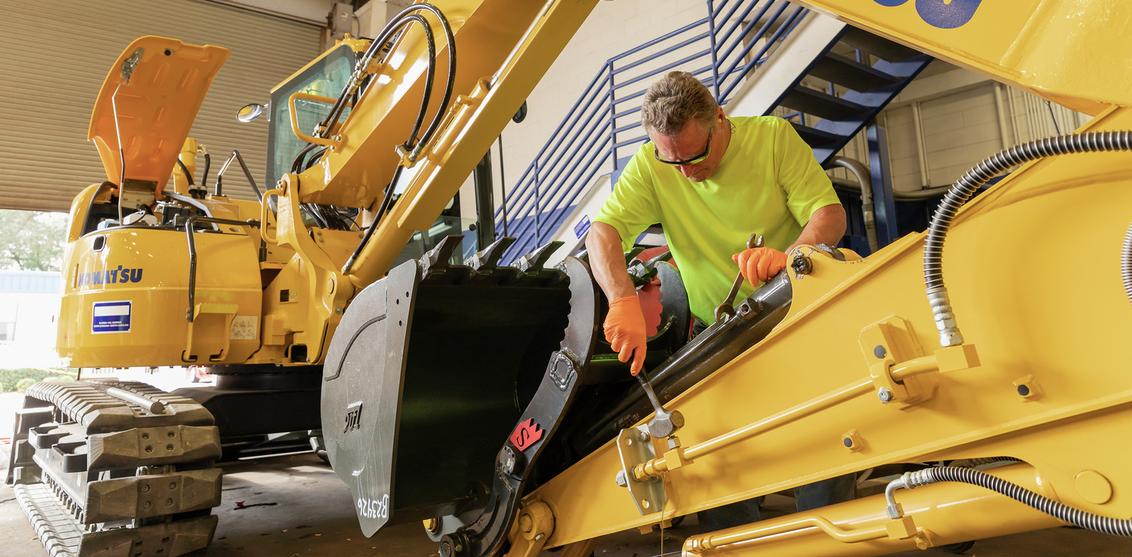
Regular inspections are the foundation of preventative care. By checking machinery before and after use, you can identify issues such as loose bolts, worn parts, or leaks before they escalate.
Inspection Checklist
- Engines and Transmission: Look for abnormal noises, leaks, or performance issues.
- Hydraulics: Check hoses, seals, and cylinders for signs of wear.
- Electrical Systems: Test lights, wiring, and control panels for functionality.
- Attachments: Inspect blades, buckets, and other attachments for cracks or damage.
- Safety Features: Verify that alarms, brakes, and seatbelts are working properly.
Using a standardized inspection checklist ensures consistency and helps maintain a record of your equipment’s condition.
Detailed Maintenance Records: Your Operational Roadmap
Why Records Matter
Keeping detailed maintenance logs helps you:
- Track when and what maintenance was performed.
- Identify recurring issues that may require deeper investigation.
- Monitor warranty coverage and compliance with manufacturer recommendations.
Digital Solutions
Adopt maintenance management software to:
- Automate service reminders.
- Centralize records for easy access.
- Generate reports on equipment performance and repair history.
Accurate records empower you to make informed decisions about repairs, replacements, and upgrades, ensuring optimal ROI.
The Cost of Neglect: Why Proactive Maintenance Pays Off
Hidden Costs of Poor Maintenance
Neglecting maintenance may seem like a way to save time or money, but it often leads to:
- Expensive Repairs: Emergency fixes cost significantly more than scheduled maintenance.
- Lost Productivity: Downtime halts operations and creates project delays.
- Reduced Resale Value: Poorly maintained equipment fetches lower prices in secondary markets.
- Increased Safety Risks: Faulty machinery can lead to accidents, lawsuits, and regulatory fines.
The ROI of Maintenance
Proactive maintenance reduces total ownership costs by extending equipment life, improving fuel efficiency, and preventing unexpected breakdowns. The savings from downtime avoidance and improved performance often outweigh the costs of maintenance.
Sustainability Through Maintenance: Reducing Environmental Impact
How Maintenance Supports Sustainability
- Fuel Efficiency: Well-maintained engines consume less fuel, reducing emissions.
- Waste Reduction: Extending equipment lifespan decreases the need for new machinery and reduces waste.
- Compliance with Environmental Standards: Regular checks ensure adherence to regulations on emissions and waste management.
By integrating sustainability into your maintenance practices, you can align with green construction initiatives and appeal to environmentally conscious clients.
Future Trends in Construction Equipment Maintenance
1. Automated Maintenance Systems
Robotics and automation are streamlining maintenance tasks, such as lubrication and part replacements, reducing reliance on manual labor.
2. AI-Driven Diagnostics
Artificial intelligence is enhancing predictive maintenance by analyzing data patterns to provide more accurate failure predictions and actionable insights.
3. Sustainable Materials
Equipment manufacturers are introducing eco-friendly components that last longer and reduce environmental impact.
FAQs: Construction Equipment Maintenance
1. How often should equipment be serviced?
Follow manufacturer recommendations, but generally, routine maintenance should occur after a specific number of operating hours or at least quarterly.
2. Can maintenance be outsourced?
Yes, many companies outsource to specialists for complex repairs or to supplement in-house teams.
3. What’s the most common maintenance mistake?
Neglecting daily inspections and ignoring minor issues until they become major problems.
Unlock the Secrets to Cost-Saving Maintenance
Effective construction equipment maintenance is not just a best practice—it’s a business imperative. By prioritizing preventative care, leveraging technology, and training your team, you can reduce downtime, extend equipment lifespan, and maximize your ROI.
Start implementing these strategies today to protect your investment and drive long-term success. For more insights and resources on construction equipment management, explore our detailed guides and expert advice. Together, we can build a smarter, safer, and more efficient construction industry.


 admin
admin