 admin
adminHave you ever imagined living in a home that was printed in just a few days? Or walking across a bridge constructed layer by layer by a massive 3D printer? While this may sound like science fiction, it’s quickly becoming reality. 3D printing, once associated with small-scale manufacturing and hobbyist projects, is now transforming the construction industry at an unprecedented pace. The possibilities are endless: faster project completion, cost savings, sustainable building practices, and previously unimaginable design flexibility.
This article explores the transformative power of 3D printing in modern construction, from its groundbreaking applications to the challenges and exciting future ahead. Whether you’re a construction professional, an architect, or just fascinated by innovative technology, this deep dive will showcase how 3D printing is reshaping our built environment.
The Dawn of 3D Printing in Construction: A Game Changer for the Industry
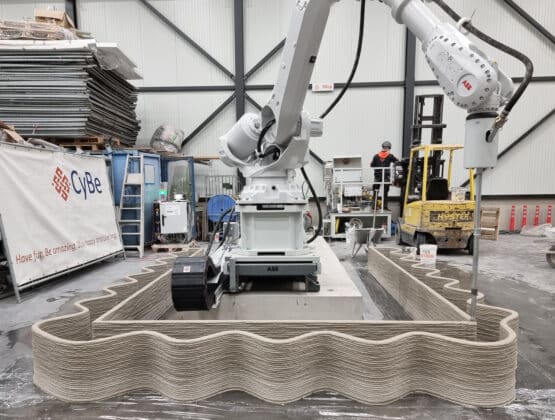
Imagine a construction site with no cranes, scaffolding, or teams of laborers laying bricks. Instead, a massive printer hums quietly, extruding material layer by layer to build walls, arches, and entire structures. This is not a vision of the distant future but a process happening today in places like Dubai, Austin, and Eindhoven.
How It All Began
3D printing, also known as additive manufacturing, began as a method for creating small prototypes in the 1980s. It wasn’t until the 2010s that researchers and companies began experimenting with larger-scale applications, specifically in construction. The first 3D-printed building was completed in 2014, and since then, the technology has advanced rapidly.
What Sets 3D Printing Apart?
Traditional construction methods rely on subtractive processes, where materials are cut, shaped, and assembled. 3D printing flips this approach, adding materials layer by layer based on a digital design. This method drastically reduces material waste, improves precision, and allows for complex designs that would be impossible with conventional methods.
Key Benefits of 3D Printing in Construction
- Automation: Reduces the need for manual labor, minimizing human error and lowering costs.
- Speed: Entire homes can be printed in a matter of days, slashing project timelines.
- Sustainability: Uses fewer resources and creates less waste, reducing the environmental impact.
- Customization: Enables unique designs tailored to specific needs or preferences.
Real-world projects, such as ICON’s 3D-printed homes in Austin, Texas, showcase how this technology is already making waves in residential construction.
Faster and More Efficient Construction with 3D Printing
One of the biggest challenges in construction is time. Traditional projects can take months or even years to complete due to labor-intensive processes, weather delays, and logistical issues. But what if a house could be printed in just a few days?
Speed Like Never Before
3D printers can build walls and structures much faster than traditional methods. For instance, a project in Mexico by New Story and ICON involved printing a series of affordable homes in less than 24 hours each. Compare this to the weeks or months it takes to construct a similar home using conventional methods.
Reduced Human Labor
3D printing requires minimal on-site labor. While traditional construction might involve dozens of workers, a 3D printing operation typically requires only a few technicians to oversee the printer and handle finishing touches. This not only saves money but also reduces the risk of workplace injuries.
Eliminating Common Delays
Weather is often a major factor in construction delays. Since 3D printers can operate in various conditions and do not rely on manual processes, they can continue working even in challenging environments.
Sustainability at Its Core: 3D Printing’s Environmental Benefits
Construction is one of the most resource-intensive industries, accounting for nearly 40% of global carbon emissions. Can 3D printing offer a solution to this massive environmental challenge? The answer lies in its efficient use of materials and the potential for greener building practices.
Reducing Material Waste
Traditional construction often results in significant waste—offcuts of wood, excess concrete, and leftover materials that end up in landfills. 3D printing, however, uses only the material needed to build each layer, drastically reducing waste. Some 3D printers even use recycled materials or bio-based composites.
Eco-Friendly Materials
Innovative companies are developing sustainable materials for 3D printing. For example:
- Recycled Plastics: Used in smaller projects or as part of composite materials.
- Geopolymer Concrete: Made from industrial waste, offering a lower-carbon alternative to traditional cement.
- Local Soil Mixtures: Some projects, like WASP’s “Gaia” home in Italy, use soil from the construction site itself, further reducing the environmental footprint.
Energy Efficiency
Because 3D printers operate with precision, they consume less energy compared to traditional construction equipment, such as cranes, excavators, and cement mixers.
The Rise of Customization and Design Freedom in Construction
One of the most exciting aspects of 3D printing is the creative freedom it offers. Unlike traditional methods, which are limited by standardized materials and processes, 3D printing allows for bespoke designs with minimal additional cost.
Complex Designs Made Simple
Architectural marvels like spiraling staircases, curved walls, and intricate facades are often expensive and time-consuming to produce with conventional methods. With 3D printing, these designs can be realized effortlessly, as the printer follows a digital blueprint with precision.
Tailoring Buildings to Local Needs
In regions prone to extreme weather, 3D printing allows for the creation of structures specifically designed to withstand local conditions, such as hurricane-resistant walls or insulated domes for desert climates.
Aesthetic Innovation
The freedom of 3D printing also extends to aesthetics. Unique textures, patterns, and shapes can be incorporated into walls, ceilings, and furniture, offering endless opportunities for personalization.
Revolutionizing Affordable Housing with 3D Printing
Housing shortages are a global issue, with millions of people living in inadequate or unsafe conditions. Could 3D printing provide an affordable, scalable solution?
Case Studies: Affordable Housing in Action
- ICON and New Story: In Mexico, these organizations created a village of 3D-printed homes for families living in poverty. Each home cost less than $10,000 to build and was completed in just a few days.
- Habitat for Humanity: In Virginia, USA, Habitat for Humanity constructed its first 3D-printed home in 2021, cutting costs by 15% and reducing construction time by 70%.
How 3D Printing Makes Housing Affordable
- Lower Labor Costs: Fewer workers are needed to operate the printers and finish the project.
- Material Savings: Reduced waste translates to lower material expenses.
- Speed: Faster construction reduces project overhead costs.
These benefits make 3D printing an attractive solution for governments, NGOs, and private developers aiming to address housing crises.
Integrating Robotics and AI with 3D Printing: The Future of Construction
While 3D printing is already a groundbreaking technology, its potential is magnified when combined with robotics and artificial intelligence.
Robots on the Job Site
Robots can work alongside 3D printers to complete additional tasks, such as installing electrical systems, painting walls, or assembling prefabricated components. For example, Boston Dynamics’ Spot robots are being tested for construction applications, including site inspections and material delivery.
AI-Optimized Construction
AI can analyze data to improve the efficiency of 3D printing operations. It can:
- Predict maintenance needs for printers.
- Optimize material usage to minimize costs.
- Enhance design precision by identifying potential structural flaws before printing begins.
Autonomous Building Systems
Imagine a future where entire construction sites operate autonomously, with robots and 3D printers working in sync. This vision is already being explored in experimental projects, paving the way for fully automated construction processes.
FAQs: Everything You Need to Know About 3D Printing in Construction
1. Is 3D printing in construction cost-effective?
Yes, especially for projects like affordable housing or small structures. While initial investments in equipment can be high, the long-term savings from reduced labor and material costs are significant.
2. What materials can be used in 3D-printed buildings?
Common materials include concrete, recycled plastics, geopolymers, and even local soil mixtures. Innovations continue to expand the range of sustainable and durable options.
3. Are 3D-printed buildings durable?
Absolutely. Many 3D-printed structures are designed to meet or exceed traditional building standards, with the added benefit of customized designs for strength and weather resistance.
4. Can 3D printing handle large-scale projects?
Yes, though the technology is still developing for massive projects. Bridges, multi-story buildings, and large infrastructures are already being printed as proof-of-concept projects.
Embracing the Future of Construction with 3D Printing
The construction industry is at a turning point, and 3D printing is leading the charge toward a more sustainable, efficient, and innovative future. By reducing costs, shortening timelines, and offering unprecedented design freedom, this technology is breaking barriers that once seemed insurmountable. From solving housing shortages to creating architectural masterpieces, the possibilities are limitless.
Are you ready to embrace the future of construction? Whether you’re an industry professional or a homeowner looking for cutting-edge solutions, 3D printing is the technology to watch. Explore our resources to learn more about how this transformative innovation is shaping the world around us.


 admin
admin