 admin
adminHave you ever lost important data or damaged a device because of a sudden power outage? What if you could safeguard your devices against every unexpected surge or outage, ensuring they perform flawlessly every single day?
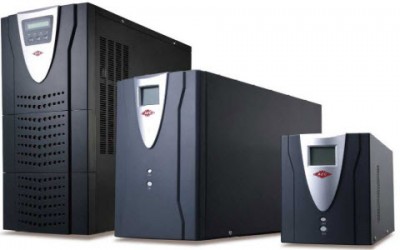
Uninterruptible Power Supply (UPS) systems are the ultimate shield for your electronics. They protect against power interruptions, surges, and fluctuations, keeping your devices safe and your workflow uninterrupted. Whether you’re a professional working from home, a business owner, or a tech enthusiast, investing in a top-tier UPS system isn’t just smart—it’s essential.
Why You Need a UPS System to Protect Your Devices
The Hidden Dangers of Power Interruptions
Power outages and fluctuations may seem like minor inconveniences, but they pose significant risks to your sensitive electronics. Computers, servers, and appliances depend on a steady power supply. Without protection, sudden power cuts can lead to:
- Data Loss: Unsaved work or corrupted files can vanish instantly.
- Hardware Damage: Power surges can fry internal components.
- Costly Repairs: Replacing damaged devices can strain your budget.
The Role of a UPS System
A UPS system acts as a protective barrier between your devices and the unpredictable power grid. It provides immediate backup power during outages, giving you time to save your work and safely shut down systems. Additionally, it stabilizes voltage levels, ensuring your devices receive consistent and clean power.
Real-World Example:
“I was working on a critical project when a blackout hit. Thankfully, my UPS system kicked in, giving me enough time to save my work. It saved me from hours of redoing everything,” says Maya Thompson, a graphic designer.
How UPS Systems Shield You From Downtime
Downtime: A Silent Business Killer
Downtime isn’t just inconvenient—it can cripple your operations. For businesses, even a brief power outage can lead to:
- Lost Revenue: Sales and services come to a halt.
- Customer Frustration: Clients expect seamless interactions, not delays.
- Reputation Damage: Frequent interruptions erode trust.
For individuals, downtime can mean losing valuable work or even irreplaceable personal memories.
UPS Systems to the Rescue
UPS systems eliminate downtime by providing instant power during outages. With features like surge protection and automatic voltage regulation (AVR), they maintain uninterrupted operation and prevent data corruption.
Example:
A retail store equipped with a UPS system avoided losing $10,000 in sales during a power outage by keeping their point-of-sale (POS) systems operational.
Key Features to Look for in a Top UPS System
Battery Runtime
The most critical feature of any UPS system is its battery runtime. Choose a model with enough backup capacity to power your essential devices during prolonged outages.
Scalability
For businesses, power needs often grow over time. A modular UPS system allows you to add more capacity as required, ensuring your investment remains future-proof.
Monitoring and Management Tools
Advanced UPS systems come with software for real-time monitoring. These tools track power usage, battery health, and overall system performance, helping you optimize efficiency and detect issues early.
Comparison of Basic vs. Advanced UPS Features:
| Feature | Basic UPS Systems | Advanced UPS Systems |
|---|---|---|
| Battery Backup | Short runtime | Extended runtime |
| Voltage Regulation | Minimal or none | Automatic and precise |
| Monitoring Tools | Not included | Real-time tracking via software |
Protecting Sensitive Equipment With Pure Sine Wave Technology
Why Pure Sine Wave Power Matters
Certain devices, such as gaming PCs, servers, and medical equipment, require clean, consistent power to operate at peak performance. Cheaper UPS systems often deliver modified sine wave power, which can harm these sensitive devices over time.
The Solution: Pure Sine Wave UPS Systems
Pure sine wave technology mimics the electricity provided by the grid, ensuring your devices receive the clean, stable power they need. This reduces wear and tear, enhances performance, and protects against power quality issues.
Testimonial:
“Switching to a pure sine wave UPS system solved the random crashes on my gaming PC. It’s a game-changer—literally,” says Alex Moreno, an avid gamer.
Choosing the Right UPS System for Your Needs
Step 1: Assess Your Power Requirements
Start by listing all the devices you want to protect and their combined power consumption. This helps determine the UPS capacity you need.
Step 2: Consider Your Usage Scenario
- Home Use: A small UPS with moderate runtime is sufficient for personal computers and routers.
- Business Use: Look for systems with extended runtime and scalability to support servers and multiple workstations.
- Industrial Use: Opt for heavy-duty models designed for large-scale equipment.
Step 3: Factor in Additional Features
Invest in a UPS system that offers:
- Surge protection.
- Noise reduction.
- Remote management capabilities.
Pro Tip: While high-quality UPS systems may have a higher upfront cost, their ability to prevent device damage and data loss makes them a cost-effective investment.
The Role of UPS Systems in Cybersecurity
Power Disruptions and Cybersecurity Risks
Few realize that power outages can compromise cybersecurity. During interruptions, systems may:
- Lose critical security updates.
- Leave sensitive data exposed to vulnerabilities.
- Fail to detect and respond to ongoing threats.
UPS Systems as a Cybersecurity Tool
A UPS system ensures continuous power, allowing your devices to maintain defenses even during outages. When combined with robust security protocols, it creates a reliable shield against both physical and cyber risks.
Example:
A law firm’s UPS system kept their servers online during a storm, preventing potential data breaches and allowing security updates to install without interruption.
Sustainability and Energy Efficiency in Modern UPS Systems
The Shift Toward Green Technology
As sustainability becomes a global priority, UPS manufacturers are embracing energy-efficient designs. These systems reduce power consumption, lowering both operational costs and environmental impact.
Renewable Energy Integration
Some UPS systems now integrate seamlessly with renewable energy sources like solar panels. These hybrid models provide reliable backup power while reducing reliance on fossil fuels.
Testimonial:
“Our solar-integrated UPS system powers our home office sustainably. It’s reduced our electricity bills and our carbon footprint,” says Sarah Lee, a remote worker.
Real-World Applications of UPS Systems
In Homes
- Protect personal computers, gaming setups, and home networks.
- Maintain internet connectivity during outages.
In Small Businesses
- Keep point-of-sale systems, security cameras, and essential equipment operational.
Data Centers
- Prevent downtime and protect massive volumes of critical data.
In Hospitals
- Power life-saving medical equipment, ensuring uninterrupted patient care.
Example:
During a citywide blackout, a hospital’s UPS system powered ventilators and diagnostic machines, preventing critical disruptions in patient care.
Frequently Asked Questions About UPS Systems
1. How long can a UPS system power my devices?
Battery runtime varies based on the model and the devices connected. High-capacity UPS systems can power essential equipment for several hours.
2. Can a UPS system protect against lightning strikes?
Yes. Most UPS systems include surge protection to shield devices from power surges caused by lightning.
3. Is a UPS system worth the investment for home use?
Absolutely. Even for home setups, a UPS prevents data loss, protects expensive equipment, and ensures uninterrupted connectivity.
Invest in the Ultimate Device Protection
Power outages and surges are unpredictable, but their consequences don’t have to be. By investing in a reliable UPS system, you safeguard your devices, data, and peace of mind.
Key Takeaways:
- UPS systems protect against power interruptions, surges, and fluctuations.
- They ensure maximum uptime, optimize performance, and enhance cybersecurity.
- From homes to businesses, UPS systems are essential for uninterrupted operations.
Take control of your power supply today and experience the confidence that comes with knowing your devices are ready for anything. For expert recommendations and resources, visit [Here].


 admin
admin