 admin
adminHave you ever wondered how the construction industry can grow while addressing the urgent need for sustainability? Can modern building practices balance eco-friendliness with affordability?
The answer lies in eco-friendly equipment—a game-changing innovation that’s transforming construction. From renewable energy-powered machinery to advanced waste-reduction tools, this technology is redefining how we build. Whether you’re a contractor, architect, or advocate for sustainability, this shift in construction is something you can’t afford to ignore.
Let’s explore how eco-friendly equipment is reshaping the construction landscape and driving us toward a sustainable future.
The Rise of Green Construction: Why It Matters
Sustainability Is Now a Global Priority
Green construction has evolved from a niche movement to a worldwide necessity. Rising environmental concerns, stricter regulations, and increasing public demand for sustainable practices have made eco-friendly construction essential.
The Role of Eco-Friendly Equipment
Eco-friendly equipment is at the heart of this transformation. Unlike traditional methods that consume vast resources and generate significant waste, green equipment offers efficiency, cost savings, and environmental benefits.
Real-World Perspective:
“Incorporating eco-friendly equipment has allowed us to meet client demands for sustainability while reducing costs,” says Sarah Thomas, CEO of EcoBuild Solutions.
Electric and Hybrid Construction Machinery: Powering the Future
Moving Beyond Diesel Power
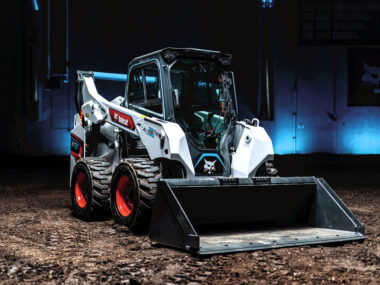
Traditional diesel-powered machinery contributes heavily to emissions, noise, and reliance on fossil fuels. However, electric and hybrid construction equipment provides a cleaner, quieter alternative without compromising performance.
Key Advantages of Electric and Hybrid Equipment
- Reduced Emissions: Electric excavators and forklifts produce zero emissions.
- Lower Operating Costs: Electricity and hybrid fuel systems are more affordable than diesel over time.
- Quieter Operations: Reduced noise levels create better work environments and fewer disturbances in urban areas.
Example:
Volvo’s electric compact excavators have cut emissions by 80% on urban projects, setting a new standard for sustainable machinery.
Renewable Energy Integration: Building With the Sun and Wind
Harnessing Natural Energy Sources
Imagine powering an entire construction site with renewable energy. Solar panels, wind turbines, and portable battery systems are making this possible.
Benefits of Renewable Energy on Construction Sites
- Cost Savings: Reducing reliance on grid power significantly lowers utility expenses.
- Energy Independence: Remote sites can operate without diesel generators.
- Reduced Carbon Footprint: Renewable energy sources help meet emissions targets.
Case Study:
A wind farm project in Scotland used solar-powered machinery, cutting energy costs by 40% while meeting strict environmental regulations.
Waste Reduction Through Smart Equipment
Tackling the Construction Waste Problem
Construction waste contributes significantly to landfills worldwide. Traditional methods often result in overproduction and inefficient material use.
How Smart Equipment Reduces Waste
- Concrete Mixers with Sensors: Measure and mix precise amounts to avoid excess.
- Recycling Crushers: Convert debris into reusable materials like gravel.
- AI-Driven Optimization: Analyze material usage in real time to reduce waste.
Real-World Testimonial:
“We cut waste by 30% on a major project using smart concrete mixers and on-site recycling equipment,” shares Mike Roberts, project manager at GreenWorks Construction.
Sustainable Building Materials: A New Frontier
Eco-Friendly Equipment Enables Innovative Materials
The use of green equipment isn’t limited to heavy machinery—it also supports the adoption of sustainable building materials.
Examples of Sustainable Materials Enhanced by Green Equipment
- Recycled Steel: Manufactured with electric arc furnaces, powered by renewable energy.
- Engineered Wood: Precision cutting tools reduce waste and ensure efficient use.
- 3D-Printed Components: Created using recycled plastics and minimal energy.
Comparison:
| Traditional Materials | Sustainable Materials |
|---|---|
| Higher resource depletion | Recyclable and renewable |
| Higher waste production | Minimal waste generated |
| Greater environmental impact | Lower carbon footprint |
Water Conservation Technologies: Saving Every Drop
Addressing Water Scarcity in Construction
Water is a critical resource in construction, yet traditional practices waste significant amounts. Eco-friendly equipment focuses on efficient water use and recycling.
Water-Saving Innovations
- Automated Irrigation Systems: Optimize water usage for landscaping projects.
- Concrete Curing Technologies: Reduce water requirements during curing processes.
- On-Site Recycling: Reuse water for multiple applications.
Example:
In drought-prone California, a construction firm implemented water recycling systems, saving 1.5 million gallons over a single project.
Improved Air Quality on Job Sites
Healthier Work Environments
Traditional construction sites often struggle with poor air quality due to dust, emissions, and fumes. Green equipment addresses these concerns effectively.
Solutions for Cleaner Air
- Dust Control Machinery: Reduces airborne particles using water misting or vacuum systems.
- Emission-Free Vehicles: Electric-powered tools eliminate harmful fumes.
- Advanced Filtration Systems: Capture pollutants before they spread.
Impact:
Cleaner air improves worker health, increases productivity, and reduces risks of respiratory issues.
Affordability Meets Sustainability
Are Green Solutions Too Expensive?
One of the biggest misconceptions about eco-friendly equipment is the cost. While upfront investments can be higher, the long-term savings are undeniable.
Financial Benefits of Green Equipment
- Lower Fuel Costs: Electric and hybrid machines cut fuel expenses significantly.
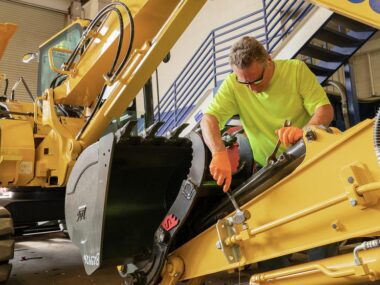
- Reduced Maintenance: Fewer moving parts mean less wear and tear.
- Tax Incentives: Governments offer grants, tax breaks, and rebates for sustainable practices.
Case Study:
A construction firm in Germany reduced costs by 25% annually after switching to hybrid machinery and applying for green incentives.
Embracing Automation for Green Efficiency
The Role of Automation in Green Construction
Automation combines sustainability and efficiency, making it an essential part of modern construction.
Examples of Automated Green Equipment
- Robotic Excavators: Perform tasks with precision, reducing resource waste.
- Autonomous Vehicles: Transport materials efficiently with minimal emissions.
- AI-Driven Site Management: Optimize workflows to save time and energy.
Testimonial:
“Integrating automation into our green initiatives improved efficiency by 40% and cut emissions by half,” says Jake Peters, head of innovation at SmartBuild Technologies.
Frequently Asked Questions About Eco-Friendly Equipment
1. What types of eco-friendly equipment are available?
Options include electric vehicles, hybrid machinery, water-saving systems, recycling crushers, and dust control tools.
2. Is eco-friendly equipment suitable for small contractors?
Yes. Many solutions are scalable, making them accessible to businesses of all sizes.
3. How do I get started with green equipment?
Begin by identifying high-impact areas, such as energy use or waste management, and invest in targeted solutions.
Building a Greener Tomorrow, Today
Eco-friendly equipment is redefining the construction industry. From electric machinery to automated water-saving systems, these innovations tackle critical challenges while enabling sustainable growth.
The question is, are you ready to embrace this revolution? Adopting green practices isn’t just an environmental responsibility—it’s a smart business decision.
Take Action:
Explore available technologies, apply for incentives, and start integrating eco-friendly equipment into your projects today.
For more insights, resources, and expert advice on sustainable construction, visit [Here].

 admin
admin